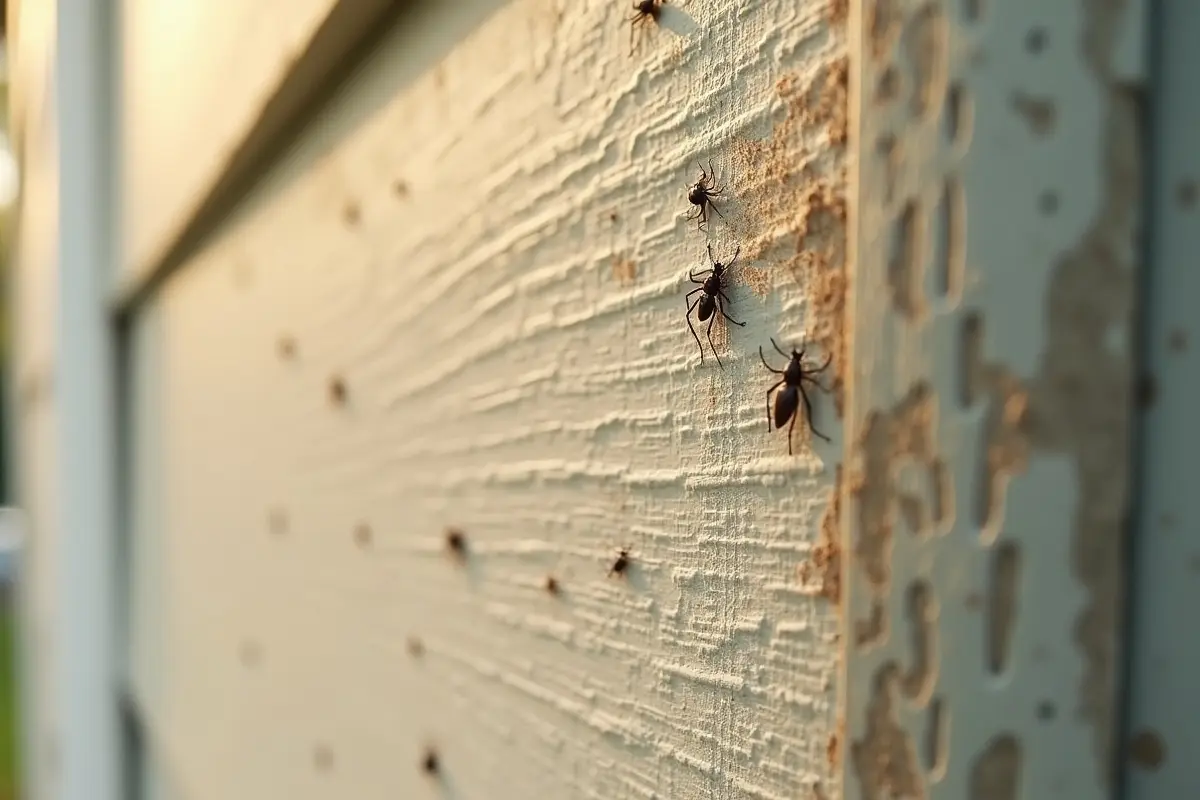
Northern Virginia homeowners experience changing pest pressure throughout the year because weather patterns affect pest movement, nesting, and access to homes. From humid summer afternoons in Fairfax to cold snaps in Alexandria and Arlington, each season creates a different reason to inspect the property. For households dealing with recurring pest issues, pest control in Northern Virginia from Green Pest Services may be necessary when preventive measures are not enough.
The company provides residential and commercial services for concerns such as ants, rodents, termites, mosquitoes, ticks, and stinging insects across communities, including Alexandria, Arlington, Fairfax, Chantilly, and Manassas, giving its team practical familiarity with the region’s seasonal pest conditions.
Why Weather Changes Pest Activity
Temperature influences how actively many pests move, feed, and reproduce. Rain can leave standing water around foundations, fill containers, and increase damp conditions near mulch or wood. Extended dry weather can have the opposite effect, sending ants, cockroaches, and other moisture-seeking pests toward indoor plumbing, pet bowls, or leaking fixtures.
The weather is only one part of the picture. Accessible food, sheltered hiding places, poor drainage, dense vegetation, and unsealed entry points can all turn seasonal activity into an indoor problem. The practical goal is simple: limit access to food, water, and shelter.
Spring Pest Problems to Watch For
As temperatures rise, ants, mosquitoes, termites, and stinging insects become more noticeable around homes. Termite swarmers near windows, doors, or light fixtures deserve prompt attention because they can indicate a nearby termite colony or a colony inside the structure. Spring rain also turns overlooked items into mosquito habitat, including planters, toys, birdbaths, tarps, clogged gutters, and buckets.
Spring inspection list
- Check window screens, door sweeps, and exterior caulk for gaps.
- Clear leaves and debris from gutters and downspouts.
- Inspect mulch, damp wood, and landscaping near the foundation.
- Look for ant trails, mud tubes, or small piles of discarded insect wings.
- Trim shrubs and branches away from siding, rooflines, and windows.
Summer Heat, Rain, and Moisture
Warm, humid conditions can support activity from mosquitoes, ticks, ants, wasps, spiders, and cockroaches. Summer storms may also disturb nests and burrows, pushing insects and rodents toward higher, drier locations around a home. A leaky hose connection, an overwatered plant tray, an uncovered trash container, or an outdoor pet bowl can become a dependable water source.
Make a standing-water check part of the weekly routine during warm months. Even one neglected container behind a shed can allow mosquitoes to remain active close to patios, play areas, and doors. Keep trash lids closed, wipe down grill and dining areas after cookouts, and correct irrigation leaks before they create persistently wet soil beside the house.
Why Pests Move Indoors in Fall
Cooler nights encourage mice, rats, cockroaches, spiders, stink bugs, and other pests to seek protected indoor spaces. Common entry points include gaps around utility lines, dryer vents, foundation cracks, damaged screens, garage doors, chimneys, and poorly sealed windows. Late summer and early fall can also bring more visible wasp activity as colonies reach their seasonal peak.
Before colder weather arrives, replace worn weatherstripping, repair screens, and seal visible openings. Store firewood away from exterior walls, keep leaf piles and yard debris from collecting near the foundation, and inspect stored boxes before carrying them inside.
Winter Pest Activity Inside the Home
Winter does not mean every pest problem stops. Heated homes can provide warmth and shelter for rodents, cockroaches, spiders, and occasional invaders. Watch for scratching in walls or ceilings, droppings near pantry areas, gnawed packaging or wires, greasy rub marks along baseboards, and insects around plumbing or stored belongings.
Reduce cardboard clutter, keep pantry goods and pet food in sealed containers, and address leaks quickly. Weatherproofing guidance for boxelder bugs notes that exclusion, caulking, weatherstripping, and removing nearby hiding places can reduce indoor nuisance pests. Not every winter insect sighting requires an insecticide.
A Seasonal Home Pest Checklist
Monthly tasks
- Check beneath sinks and around appliances for moisture or leaks.
- Inspect doors, windows, pipes, vents, attics, garages, and crawl spaces for openings.
- Keep food, pet food, and animal feed in closed containers.
- Remove clutter that can create hiding places.
After heavy rain
- Empty water-holding containers and inspect drainage near the foundation.
- Check siding, rooflines, vents, and screens for storm damage.
- Watch for displaced insects gathering near doors and windows.
Before cold weather
- Seal cracks and repair door sweeps.
- Move firewood, leaves, and debris away from the home.
- Check holiday decorations, storage bins, and boxes before bringing them indoors.
Safer Prevention and Treatment Practices
Integrated pest management combines sanitation, exclusion, monitoring, and targeted treatment. Prevention should come first whenever practical. The EPA’s guidance for residents emphasizes limiting pests’ access to food, water, shelter, and entryways before relying on pesticide products.
If a pesticide is used, read and follow the label exactly. Do not mix products, apply more than directed, or use a product against a pest not listed on its label. Keep children, pets, food, toys, and aquariums protected according to the product directions.
When to Call a Pest Professional
Professional inspection is sensible when termites or wood damage are suspected, rodents are entering walls or ceilings, stinging insects nest near entrances or play areas, or pests return despite cleaning and exclusion work. It is also helpful when activity appears widespread or difficult to locate.
Ask about the inspection process, the areas to be treated, product precautions, follow-up visits, and steps that can prevent a repeat problem. Correct identification matters because different pests require different responses.
Final Tips for a Pest-Ready Home
A pest-ready home does not require constant worry or excessive treatment. Use changing weather as a reminder to remove standing water and food sources, seal likely entry points, reduce outdoor shelter and indoor clutter, and monitor for fresh signs of activity. When a problem is persistent, hidden, or hazardous, seek qualified advice before it becomes harder to manage.