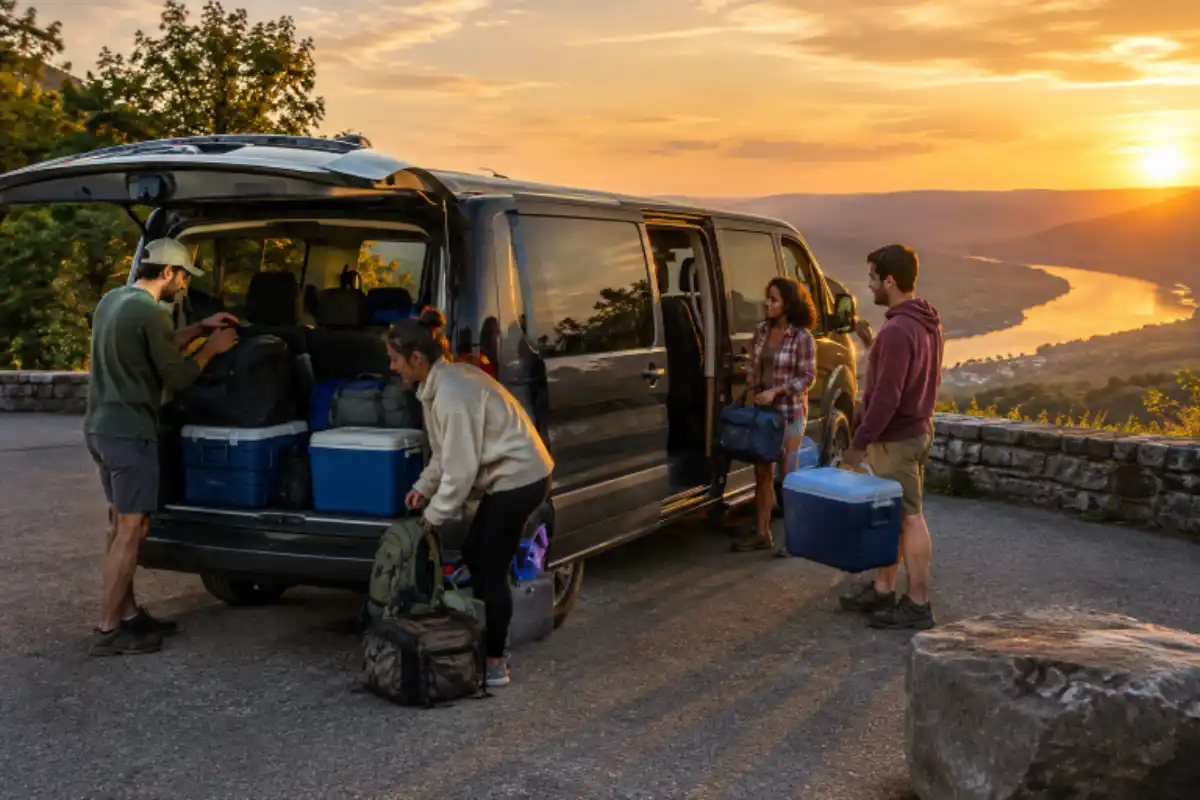
Whether your group is heading to a family reunion in the Poconos, a tournament near Pittsburgh, a wedding in Lancaster County, or a weekend in Philadelphia, a shared vehicle can make Pennsylvania travel easier to coordinate. Working with a van rental company in PA gives groups a practical way to keep passengers, luggage, and schedules together instead of managing a long line of separate cars.
Still, a rental van does not solve every travel challenge by itself. Pennsylvania trips can involve highway traffic, rural roads, changing weather, crowded parking areas, and long distances between stops. A clear plan before pickup helps the group spend more time enjoying the destination and less time sorting out preventable problems.
Why Group Road Trips Need More Planning
Group travel gets complicated quickly when several people bring bags, have different schedules, and need frequent stops. One van can simplify communication because everyone follows the same route and arrives together. However, a larger vehicle also requires more attention to cargo placement, parking, turning space, and driver comfort.
For example, a family traveling to a Pennsylvania reunion may lose significant time if nobody agrees on departure times, meal breaks, or fuel stops. A simple itinerary prevents one late traveler or an unplanned stop from causing frustration for the entire group.
Step 1: Define the Trip Before Choosing the Van
Start with the actual needs of the trip, not just the number of available seats. Count every passenger and note whether children, older adults, or people with mobility needs are traveling. Then list everything that must fit inside the vehicle, including large suitcases, coolers, folding chairs, sports gear, musical instruments, or event supplies.
Map out the number of driving days, overnight stays, major stops, and expected hours on the road. A short airport transfer may call for a different vehicle than a multi-day drive across the state. Decide early whether a passenger van is enough or whether the group may need additional cargo capacity.
Step 2: Match Vehicle Size to Real Needs
A van with enough seats may not have enough usable room for everyone’s belongings. Filling every passenger position can leave a limited cargo area, especially if travelers bring rigid suitcases or bulky equipment. Ask about interior dimensions when an item must fit flat, upright, or in a protected position.
Also consider the roads and places on the itinerary. A longer or taller vehicle can require more room for turns, lane changes, parking garages, hotel lots, and downtown loading areas. The most practical choice is usually the smallest vehicle that safely accommodates every passenger and the largest item being carried without blocking exits or crowding the cabin.
Step 3: Choose Drivers and Set Safety Rules
Select drivers who are licensed, well-rested, comfortable on highways, and willing to learn the rental vehicle’s controls before leaving. Larger vans do not handle exactly like passenger cars, particularly when fully loaded. Establish driver changes in advance and avoid making one person responsible for every mile of a long trip.
All passengers should wear seat belts, and drivers should avoid handheld phones, abrupt lane changes, rushed turns, and driving while fatigued. Groups using a larger passenger vehicle can review 15-passenger van safety guidance for practical direction on experienced drivers, tire checks, proper loading, and safe passenger placement.
Before anyone pays, list the expected rental charge, fuel, tolls, parking, lodging, meals, cleaning costs, and optional protection plans. Decide whether the group will split expenses evenly or adjust contributions for travelers who join only part of the trip. Either method can work when everyone understands it before departure.
Choose one person to track payments and send updates. Collecting money ahead of time can prevent awkward conversations at the end of the trip. Read the rental agreement carefully for mileage rules, fuel requirements, return deadlines, cleaning expectations, and responsibility for damage.
Step 5: Plan the Route With Breathing Room
Choose a main route, a backup route, likely fuel stops, meal breaks, and overnight locations. Share the itinerary digitally so the adults in the group can see the plan and estimated arrival times. This is especially useful when traveling through unfamiliar parts of Pennsylvania or when passengers may need to meet the group at a scheduled stop.
Do not schedule every minute. Traffic, construction, weather, restrooms, and loading luggage can add time. Review road-trip safety tips before leaving, then check conditions close to departure and keep emergency supplies accessible.
Step 6: Create a Simple Group Travel Agreement
A brief agreement can make the ride more comfortable for everyone. Set expectations for departure times, food, trash, music volume, seat changes, and personal space. Assign useful roles such as route checker, snack organizer, payment tracker, and emergency contact coordinator.
The driver should have the final say on safe stopping locations, speed, weather-related decisions, and when a break is necessary. That rule keeps safety decisions clear when the group is tired or eager to reach the next stop.
Step 7: Pack for Comfort and Safety
Soft-sided bags are often easier to arrange than hard luggage. Keep heavy items low and secure them so they cannot shift during braking or turns. Do not block aisles, doors, mirrors, or access to emergency equipment.
Pack water, snacks, medications, chargers, sunglasses, weather-appropriate layers, and basic first-aid supplies. Keep reservation confirmations, insurance information, emergency contacts, and the rental agreement together where drivers can reach them quickly.
Vehicle Pickup Checklist
- Walk around the van and photograph existing exterior damage.
- Confirm the fuel level and inspect tires, lights, mirrors, windshield, and seat belts.
- Learn the parking brake, backup camera, emergency equipment, and spare-tire procedure.
- Verify the return location, required return time, fuel policy, and after-hours instructions.
- Make sure every approved driver understands the vehicle before the trip begins.
How to Make Long Drives More Comfortable
Schedule regular breaks before passengers become exhausted or uncomfortable. Keep personal items in small bags near each traveler, while reserving the main cargo area for larger belongings. On longer drives, rotate seats when practical and allow quiet time for reading, resting, or using headphones.
Common Mistakes to Avoid
- Choosing a van by seat count alone.
- Leaving costs untracked until the trip is over.
- Assuming every licensed driver is comfortable with a large vehicle.
- Skipping the pickup inspection or failing to document existing damage.
- Ignoring height limits, tight parking areas, or longer stopping distances.
- Packing so tightly that doors, aisles, or visibility are obstructed.
Frequently Asked Questions
How far ahead should a group reserve a rental van?
Reserve as early as practical when the trip falls around holidays, school breaks, weddings, festivals, or busy summer weekends. Early planning gives the group more time to compare vehicle sizes and confirm drivers.
Is one van always cheaper than several cars?
Not always. Compare the complete cost of the trip, including rental charges, fuel, tolls, parking, and mileage, rather than looking only at the daily rental rate.
What should happen if the van breaks down?
Keep the rental provider’s emergency contact information available, move passengers to a safe location when possible, and follow the provider’s instructions. Avoid attempting repairs that could create additional risk or damage.
Final Checklist Before Departure
- Vehicle size and driver list confirmed.
- Route, backup route, and meeting times shared.
- Budget and payment responsibilities explained.
- Emergency contacts and documents packed.
- Fuel, tires, lights, mirrors, and seat belts checked.
- Luggage secured and departure time confirmed with every traveler.
Conclusion
A smooth Pennsylvania group road trip begins well before the van leaves the driveway. Choosing the right vehicle, assigning dependable drivers, sharing costs clearly, and allowing room for delays creates a calmer experience for everyone. With a practical plan in place, the group can focus on the people, places, and occasions that made the trip worth taking.