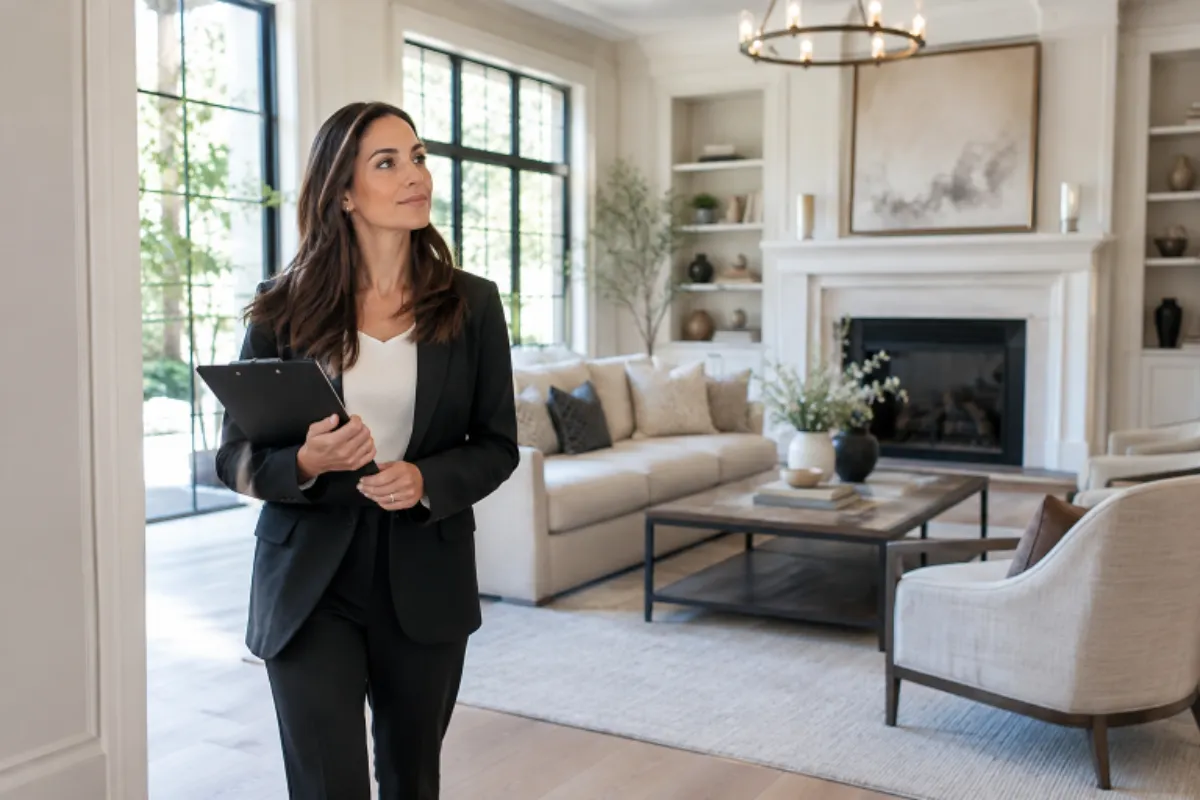
Selling a luxury home in Atlanta calls for a thoughtful plan, not an automatic list of renovations. Buyers may appreciate a well-kept property, clear presentation, functional systems, and a setting that makes daily life easy to imagine. The goal is to remove distractions and strengthen the home’s best qualities without investing in upgrades that do not fit the neighborhood, price range, or likely buyer.
For local perspective, Atlanta, GA, real estate agent Shanna Smith provides a website centered on Atlanta luxury real estate and personalized guidance for buyers and sellers. Shanna Smith’s experience with high-value properties, market assessments, staging coordination, and transactions in areas including Atlanta and Sandy Springs makes her approach especially relevant when a seller needs to distinguish essential preparation from costly over-improvement.
Why Preparation Matters More Than Perfection
Luxury buyers commonly compare homes closely, whether they are looking in Buckhead, Chastain Park, Sandy Springs, or another Atlanta-area community. They may overlook an older finish if it is clean, functional, and appropriate to the home. They are less likely to overlook a dripping faucet, worn caulk, damaged flooring, or a room that feels unfinished. Small concerns can create larger questions about maintenance.
Preparation is not the same as making every room look brand new. Replacing a dated foyer fixture that distracts from a beautiful entry may be sensible. Rebuilding an otherwise functional kitchen shortly before listing may not be. A successful plan helps the home feel cared for, bright, and easy to understand while leaving room for a future owner’s preferences.
Start With a Pre-Listing Walkthrough
Before choosing contractors or ordering furniture, complete a deliberate room-by-room walkthrough. Take current photographs, preferably in daylight, and make three lists: must-fix items, helpful improvements, and optional upgrades. This approach keeps the budget focused and makes it easier to compare decisions.
Questions to Ask
- What will a buyer notice in the first five minutes at the front door?
- Are views, natural light, millwork, fireplaces, and architectural details visible?
- Does every room have a clear, believable purpose?
- Are there signs of water intrusion, aging exterior materials, poor drainage, or incomplete work?
- Does the patio, pool area, porch, or garden feel connected to the home?
- Would an inspector likely identify a maintenance item that can be addressed now?
Atlanta’s rain, humidity, pollen, and mature tree canopy make exterior review particularly important. Clean gutters, trimmed landscaping, clear drainage paths, pressure-washed hard surfaces, and working exterior lights can improve both confidence and curb appeal.
Handle Repairs Before Upgrades
The basic condition generally comes before decorative changes. Address leaks, sticking doors, loose railings, broken hardware, cracked tiles, worn weather stripping, and visible wall damage. Service major systems when appropriate, retain maintenance records, and use qualified professionals for roofing, electrical, structural, plumbing, and environmental concerns.
Interior air and moisture concerns deserve prompt attention rather than cosmetic concealment. The EPA’s indoor air quality guidance explains why moisture and pollutants can affect a home environment, making it sensible to investigate persistent odors, visible mold, or prior water damage before marketing begins.
Where to Spend Carefully
Consider each potential expense through four lenses: buyer confidence, photography, showing experience, and inspection risk. The following areas often merit review before larger remodeling decisions:
- Entryway: Refresh paint, lighting, door hardware, and landscaping so the arrival feels intentional.
- Kitchen: Prioritize cleanliness, working appliances, attractive lighting, repaired cabinetry, and clear counters before replacing cabinets or stone.
- Primary suite: Reduce visual clutter, improve lighting, and create a calm retreat without removing practical storage.
- Bathrooms: Update failing caulk, grout, bulbs, mirrors, towels, and minor hardware where needed.
- Outdoor living areas: Clean seating areas, organize pool equipment, and show how terraces, lawns, and entertaining spaces can be used.
Stage With Restraint
Staging should help buyers understand scale, flow, and function. In a large home, an empty sitting room or an awkward flex space can be difficult to interpret. Well-chosen furnishings can define its purpose without overcrowding it. Keep sightlines open, select furniture that fits the room, and use a restrained palette that supports rather than competes with the architecture.
The National Association of REALTORS® profile of home staging highlights the role staging plays in helping buyers visualize a property as their future home. For luxury listings, that may mean emphasizing a terrace view, a wine room, a library, a pool pavilion, or a home office instead of filling every corner with décor.
Create a Strong Visual Presentation
Professional photography, video, floor plans, and accurate feature details help set expectations before a private showing. Before the photographer arrives, clean windows, open curtains, remove vehicles and bins from view, conceal pet items and cords, arrange towels and bedding, and turn on lamps. Outdoor spaces should be prepared for the season. Photography should be polished but accurate, because overly edited images can create disappointment during an in-person visit.
Price From Evidence, Not Emotion
A strong asking price cannot compensate for weak preparation, and expensive improvements do not automatically produce an equal increase in value. Review relevant recent sales, current listings, time on market, lot characteristics, condition, location, privacy, and genuinely comparable features. Separate active competition from properties that have actually closed, then build a launch strategy around the evidence.
A Simple Seller Checklist
- Schedule a pre-listing consultation and walkthrough.
- Review comparable sales and active competition.
- Complete safety, maintenance, and moisture-related repairs.
- Declutter and remove highly personal items.
- Improve lighting, landscaping, and exterior presentation.
- Choose occupied, partial, or vacant staging.
- Prepare photography, video, floor plans, and property details.
- Confirm pricing, showing access, privacy, and security procedures.
Final Thoughts
The best preparation plan is selective, practical, and guided by what is most likely to matter to potential buyers. A luxury home in Atlanta does not necessarily need to be redesigned from top to bottom or filled with expensive upgrades to attract serious attention. Instead, the property should feel well-maintained, visually consistent, welcoming, and suited to the expectations of its likely market.
Sellers can focus on addressing visible wear, completing necessary repairs, refreshing high-traffic spaces, improving curb appeal, and highlighting the home’s most appealing features. Thoughtful staging can also help buyers appreciate the layout, natural light, finishes, and functionality without making the space feel overly decorated or personal. Before investing in major improvements, consider which updates are supported by comparable sales and current buyer preferences in the neighborhood.
Accurate pricing and professional marketing are equally important because even a beautifully presented property may struggle to attract offers if its asking price does not reflect market conditions. By working with an experienced local real estate professional and prioritizing improvements that offer a clear purpose, sellers can present their Atlanta luxury home effectively while avoiding unnecessary expenses, delays, and renovation work that may not deliver a meaningful return.