Electrical systems tend to stay out of sight until something stops working, but a brief walkthrough can reveal conditions that should not be ignored. A homeowner does not need to diagnose the wiring to notice a hot receptacle, a damaged cord, a flickering light, or a breaker that trips repeatedly. When a concern goes beyond a visual check, a qualified electrician can assess the condition without relying on guesswork.
A basic walkthrough is not a substitute for a full inspection, especially after storm damage, a major remodel, or the purchase of an older home. Still, paying attention to changes helps residents document what is happening and avoid continuing to use equipment that may be unsafe.
Kissimmee Conditions That Can Stress Electrical Systems
Kissimmee homes often run cooling equipment for long periods, while outdoor spaces may include pool equipment, landscape lighting, patio outlets, and fans. Heat, moisture, and exposure to rain can make it especially important to keep outdoor covers intact and to watch for water near electrical equipment. Thunderstorms also make surge planning relevant for appliances, electronics, and connected home devices.
Older homes can need additional attention when modern electrical demands are added. A system that once served lighting, a refrigerator, and a few smaller appliances may now support multiple televisions, computers, kitchen equipment, smart devices, and charging needs.
For homeowners who need work such as repairs, additional circuits, lighting connections, or a capacity review, electrical services should be approached as a safety and planning issue rather than a quick fix for an overloaded circuit.
How to Check the Electrical Panel Safely
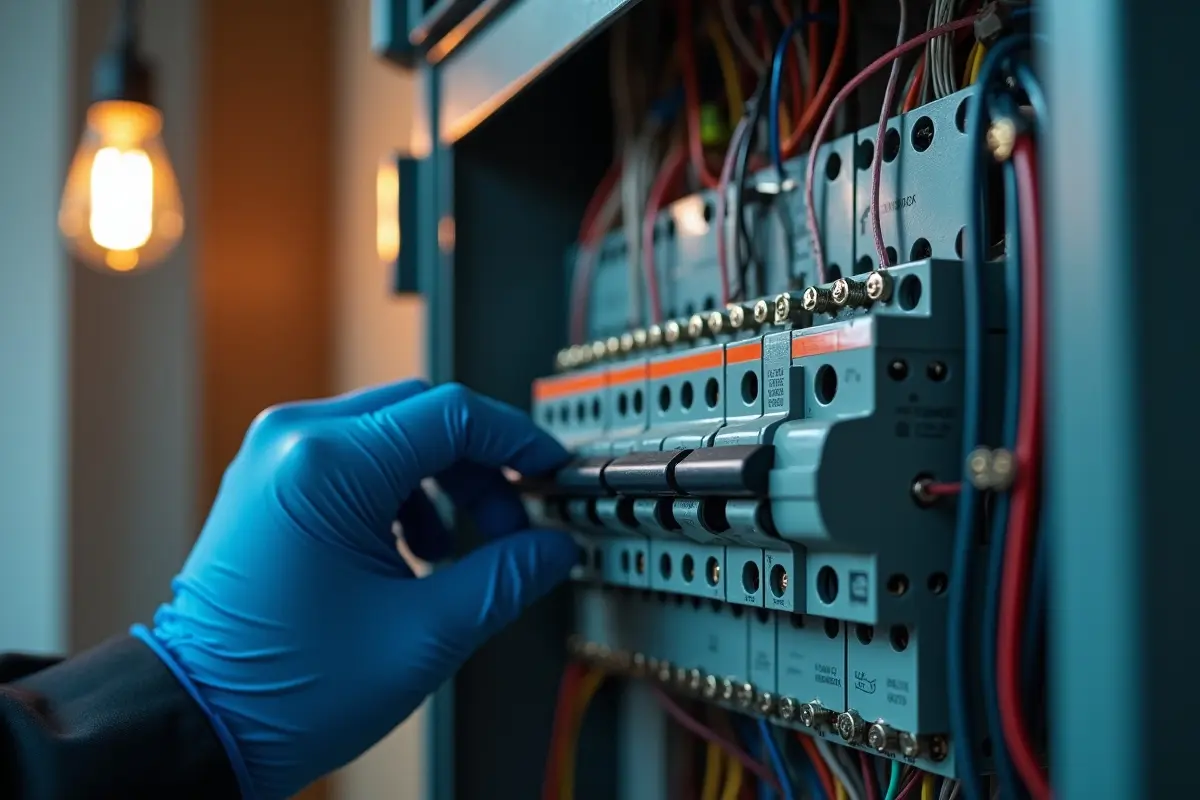
Only inspect the outside of an electrical panel. Do not remove its cover, touch internal components, or attempt to replace breakers. Keep the area in front of the panel clear so the main shutoff and circuit breakers remain accessible.
- Look for rust, water stains, scorch marks, or a damaged panel door.
- Listen for buzzing, crackling, or unusual humming.
- Notice whether breakers trip repeatedly or will not stay reset.
- Check that circuit labels are readable and reasonably match the rooms or equipment they control.
- Arrange a capacity review before adding a large electrical load.
What to Look for at Outlets, Switches, and Cords
Walk through each room and look for cracked cover plates, loose outlets, plugs that will not stay in place, damaged power strips, and cords with worn insulation. An outlet or switch that feels unusually warm, produces a buzzing sound, smells burnt, or shows discoloration should not remain in use.
For example, a warm outlet behind a frequently used kitchen appliance is not a problem to cover up by temporarily moving the appliance. Unplug the appliance if it is safe to do so, avoid using that receptacle, and have the condition evaluated. Do not solve recurring trips by installing a larger breaker.
GFCI and AFCI Protection Explained
Ground-fault circuit interrupters, commonly called GFCIs, are designed to shut off power quickly when they detect certain ground-fault conditions. They are commonly found in bathrooms, kitchens, garages, laundry spaces, outdoor locations, and near pool-related equipment. Test and reset buttons are usually visible on a GFCI receptacle, although some outlets may be protected by a GFCI breaker elsewhere.
Use the test button according to the device instructions, then reset it to restore power. If a GFCI will not reset, trips immediately, or leaves nearby outlets without power, do not bypass it. Arc-fault circuit interrupters, or AFCIs, are another type of protection designed to detect hazardous arcing on certain circuits. Breaker replacement and wiring changes should be left to qualified professionals.
Storm, Lightning, and Surge Protection
Before storm season, close outdoor outlet covers, inspect visible cords serving outdoor equipment, and ensure the panel area is easy to reach. During severe weather, unplug sensitive devices when practical, but do not handle plugs or equipment if water is present. Plug-in surge protectors can help protect connected equipment, while whole-home surge protection is an option to discuss with a qualified professional.
After a major storm, look for water intrusion, damaged outdoor equipment, unusual odors, and tripped breakers. Do not use equipment that has been wet until it has been inspected and determined safe.
Planning for EV Chargers and Other New Loads
EV chargers, backup generators, pool heaters, electric ranges, dryers, tankless water heaters, workshops, and battery systems can significantly change a home’s electrical demand. Before installation, a qualified professional may need to perform a load calculation and examine panel capacity, wiring, grounding, and the required circuit. A larger breaker is not a safe remedy for an overloaded circuit because circuit protection must match the wiring and equipment it serves.
Simple Ways to Reduce Electrical Waste
Electrical safety and efficiency can support each other when upgrades are planned carefully. Replace frequently used bulbs with energy-efficient ones, use timers or controls for outdoor lighting, and replace damaged power strips rather than continuing to use them. Clean HVAC filters as recommended by the equipment manufacturer, since restricted airflow can place unnecessary strain on cooling equipment.
When to Stop Checking and Call a Professional
Stop using the affected outlet, appliance, or circuit and seek qualified help when you notice burning odors, smoke, sparks, visible arcing, repeated breaker trips, flickering lights, warm panel surfaces, water near electrical equipment, buzzing inside walls, or a shock or tingling sensation from an appliance. These are not conditions that require troubleshooting by repeatedly resetting a breaker or taking apart electrical equipment.
A Simple Seasonal Maintenance Plan
Monthly
- Test GFCI devices according to their instructions.
- Check smoke and carbon monoxide alarms.
- Look for damaged cords, loose outlets, and unusual warmth.
Before and After Major Storms
- Check outdoor covers, lighting, and visible equipment for damage.
- Keep the electrical panel accessible.
- Do not repeatedly reset a breaker after a storm.
- Arrange an inspection when water, heat, damage, or unusual odors are present.
Before Major Upgrades
- Review panel capacity before adding high-demand equipment.
- Update unclear circuit labels.
- Consider a professional inspection for older wiring or recurring electrical concerns.
Final Thoughts
Electrical safety does not require complicated tools. Careful observation, safe habits, and timely action can help Kissimmee homeowners identify concerns early. When a warning sign involves heat, water, sparks, damaged wiring, or repeated power loss, stop using the affected equipment and have the situation assessed by a qualified professional.