Impressive advancements in automotive technologies have dramatically reshaped what it means to drive today. Whether enhancing safety, convenience, or enjoyment, innovative features like driver-assistance systems and electric vehicles are making everyday journeys more rewarding. To see how these technologies can impact your driving, learn more about the latest options available from experts in the field.
As the automotive landscape evolves, the blend of efficiency and enhanced safety has become central to the modern driver’s experience. Through digital integration and smart connectivity, routine commutes are becoming smarter and more secure. This transformation extends from intuitive displays to biometric security, ensuring you’re prepared for the road ahead.
Advanced Driver-Assistance Systems
Advanced Driver-Assistance Systems (ADAS) integrate sensors, cameras, and radar to create a virtual safety net for drivers. Features include adaptive cruise control, which automatically adjusts your speed to maintain a safe distance, and lane departure warnings that alert you if you drift out of your lane. Some systems even intervene automatically to prevent a collision.
A study from the Insurance Institute for Highway Safety found that certain ADAS features can significantly reduce the risks of both rear-end and sideswipe crashes. By keeping drivers aware and proactively responding to hazards, ADAS has become a cornerstone of modern vehicle safety.
Electric Vehicles
Electric vehicles (EVs) are redefining automotive efficiency and sustainability. By using electric motors, EVs reduce harmful emissions and contribute to cleaner air. Maintenance is also less frequent and less costly because fewer components can fail, such as spark plugs and exhaust systems.
Coupled with the growing network of public charging stations nationwide, EVs are increasingly practical for urban and suburban drivers alike. With lower pump prices and a quieter ride, electric vehicles make a strong case for the future of everyday transportation.
Connected Car Technologies
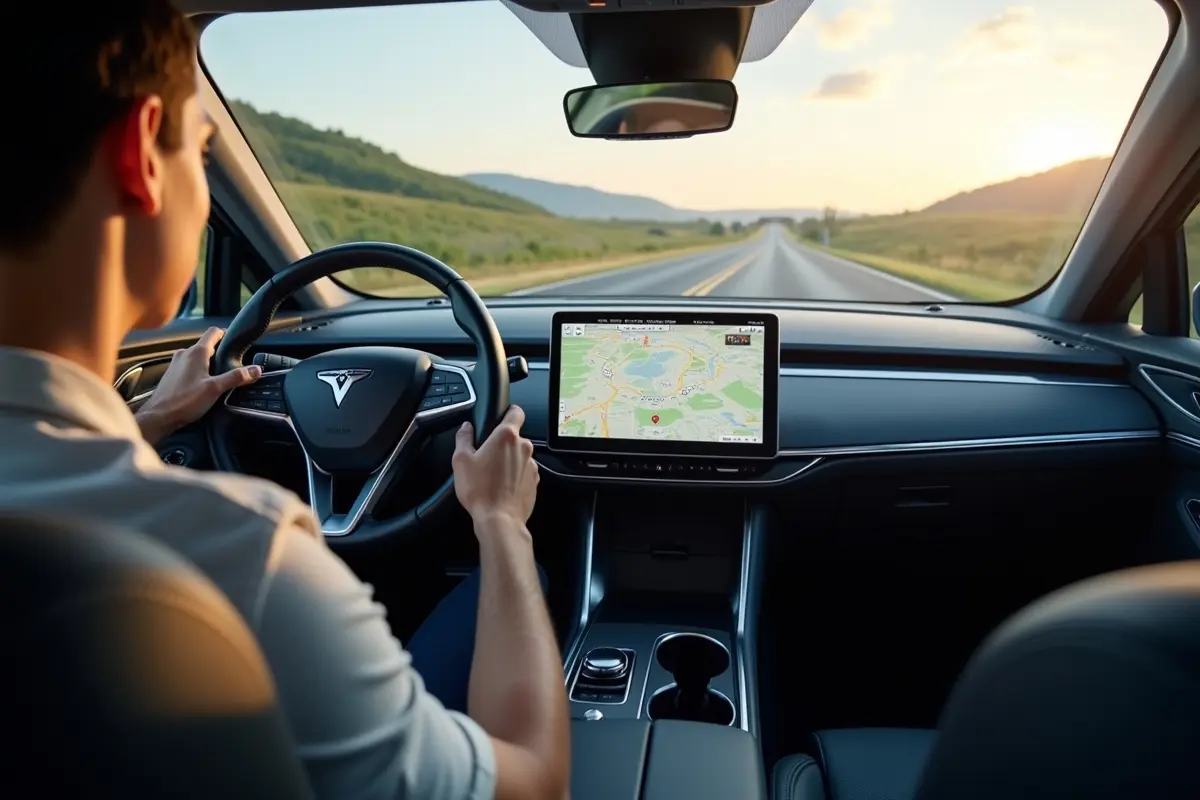
Connected cars create a digital ecosystem on wheels by allowing vehicles to “talk” to each other and city infrastructure. These systems offer real-time updates on traffic jams, potential hazards, and even recommended maintenance services.
Predictive navigation can reroute you around road closures, while emergency notifications can summon help instantly in the event of an accident. These tools not only provide peace of mind but also enhance the efficiency of daily drives.
Augmented Reality Displays
Augmented reality head-up displays (AR HUDs) project urgent vehicle information directly onto the windshield. Drivers get access to navigation directions, speedometer readings, and warnings about obstacles ahead, all without taking their eyes off the road.
This helps prevent distractions and enhances situational awareness, providing motorists with a new level of confidence. According to IEEE Spectrum, automakers are rapidly expanding AR features to deliver safer, more intuitive interfaces for drivers.
Voice-Activated Controls
Voice-activated controls have transformed in-car interaction by enabling drivers to keep their hands on the wheel and eyes on the road. Whether it’s adjusting the temperature, setting navigation routes, or choosing music, these systems respond to spoken commands with increased accuracy.
Because voice-activated technology reduces physical distractions, it is a crucial feature for promoting driver attentiveness and reducing accident risks.
Biometric Authentication
Security and personalization are entering a new era thanks to biometric authentication. Cars equipped with fingerprint, facial, or iris recognition can confirm a driver’s identity before unlocking or starting the engine.
These systems also personalize your experience, automatically adjusting seat and mirror positions or seamlessly accessing your preferred settings. Biometric tech is a meaningful step forward in both anti-theft protection and driver convenience.
In conclusion, each of these advancements reflects a broader trend in the automotive world: making every journey safer, more efficient, and much more rewarding. As manufacturers and engineers build on these foundations, drivers everywhere can expect continued improvements in safety and intelligent design. The future of driving is bright, interconnected, and ready for the next generation of innovation.
Adapting to New Technologies
As impressive as these advancements are, drivers and automotive enthusiasts alike must adapt and learn to use new features safely. Many automakers offer in-depth orientations or tutorials for buyers, focusing on the effective use of features such as adaptive cruise control and lane-keeping assist.
Training modules and virtual simulations are increasingly common, allowing drivers to practice scenarios before encountering them on the road. Embracing these educational opportunities ensures that new technology serves as an asset rather than a distraction or confusion point, enhancing overall road safety and satisfaction behind the wheel.
Environmental and Economic Impact
The ongoing shift towards electric and hybrid vehicles also has far-reaching environmental and economic implications. Lower emissions and reduced reliance on fossil fuels support global efforts to combat climate change. Moreover, as battery technologies improve, the costs associated with vehicle ownership continue to decrease, not only through savings on fuel but also through lower maintenance and repair costs.
Governments in many countries offer tax credits, rebates, and other incentives for purchasing eco-friendly vehicles, making the transition accessible to a broader demographic and accelerating the path toward sustainable mobility.
Looking Toward Full Autonomy
It’s impossible to discuss automotive innovation without mentioning the quest for fully autonomous vehicles. While today’s ADAS and connected car systems are paving the way, the dream of true self-driving cars is still a work in progress. Major tech companies and automakers are collaborating to perfect algorithms, sensor technologies, and infrastructure integration.
Pilot programs for autonomous taxis and delivery vehicles are underway in several cities, providing valuable data and insight for the future. Over time, the deployment of these fleets could result in dramatic changes to urban planning, insurance models, and even daily commuting habits.
Personalization and Comfort
Modern in-car experiences are about more than just getting from point A to point B; they also embrace personalization and comfort. Ambient lighting, customizable infotainment systems, and intelligent climate control are now standard on many new models.
Advanced seating materials, massaging seats, and interior mood settings let drivers and passengers tailor the environment to their preferences. Automotive designers are also incorporating sound isolation technology and ergonomic layouts, further elevating the comfort and enjoyment of every ride.
As automotive technology continues to evolve, staying informed and engaged is key. Keeping up with trends not only enriches your time on the road but also allows you to make informed decisions when shopping for a new vehicle or upgrading your current one.
The fusion of safety, connectivity, efficiency, and customization is creating unprecedented opportunities for everyone behind the wheel. The journey ahead is one of constant improvement, with each innovation bringing us closer to safer, greener, and more connected driving.