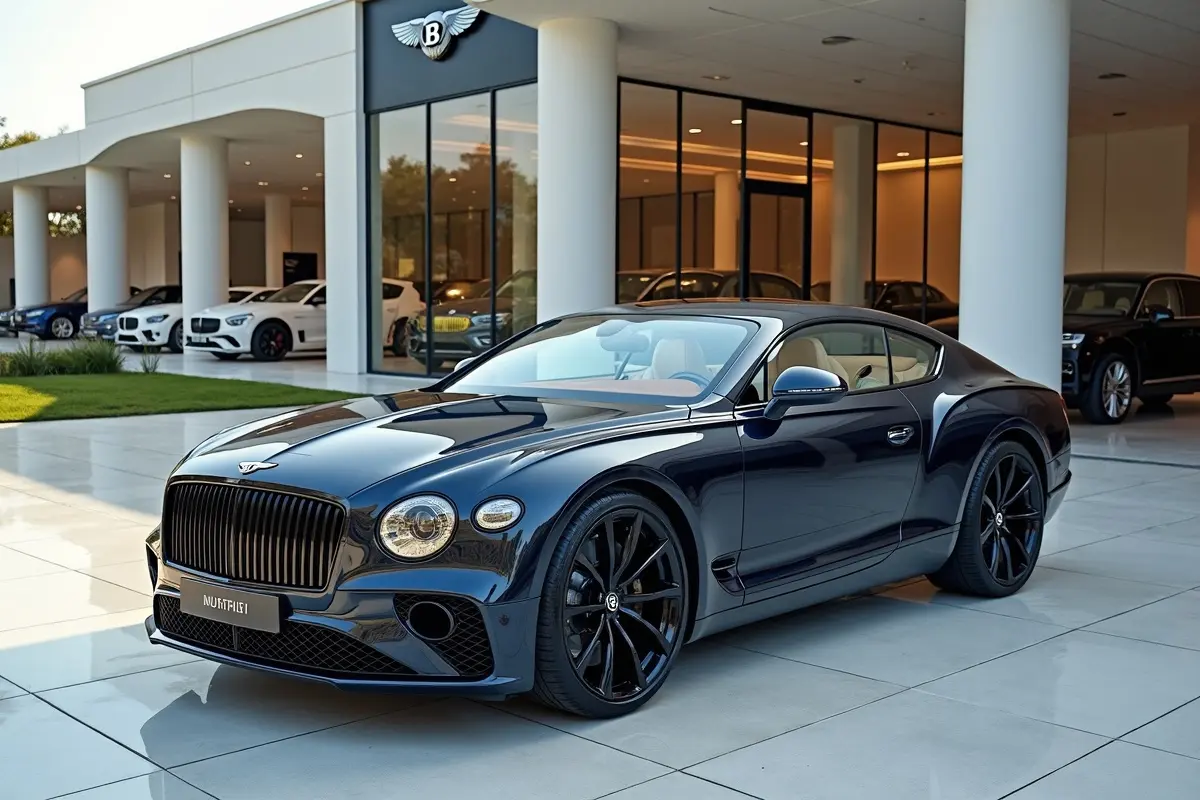
The luxury car market is undergoing rapid transformation, driven by shifting consumer preferences and technological advancements. As automakers introduce new features and buyers demand more personalized vehicles, the industry continues to adapt to modern tastes and expectations. Whether you are an enthusiast, a potential buyer, or an industry observer, exploring the latest new Bentley models can provide insight into these evolutions and what they mean for the future of luxury motoring.
Knowing the current and upcoming trends is essential for those who want to make well-informed decisions in today’s market. Understanding the underlying currents that drive growth and innovation in this sector can give buyers and industry professionals a significant edge. From technological breakthroughs and increasing digitalization to evolving buyer profiles, the luxury car market is influenced by a diverse range of factors that are shaping the vehicles available today and the customer experience overall.
Rising Demand for High-End Vehicles
The appetite for luxury vehicles continues to surge. Industry data shows that in the first two months of 2026 alone, over 52,000 cars priced at over $100,000 were sold in the United States, marking a 13 percent increase from the previous year. This trend not only signals the increasing willingness of certain consumers to invest in high-value vehicles but also underscores the resilience of the luxury segment in the broader automotive marketplace.
For background on this trend and its implications for manufacturers, read analyses from industry leaders at CNBC. The increasing presence of high-net-worth individuals, as well as emerging affluent classes in both established and developing economies, is playing a crucial role in fostering this demand.
As more people enter this high-income bracket, especially younger generations in tech and finance, a steady stream of new buyers is discovering the appeal of luxury car ownership. Furthermore, automotive brands are capitalizing on this momentum by expanding their portfolios and offering a variety of models, from SUVs to high-performance coupes, further boosting market growth.
Customization and Personalization
Modern luxury car buyers no longer settle for standard features. Instead, they seek bespoke options that allow them to express their individuality behind the wheel. Automakers such as Rolls-Royce are meeting this growing demand by launching programs to build exclusive, tailor-made vehicles. For instance, their initiative to create 100 bespoke electric vehicles for select clientele, each with unique features and styling, exemplifies the drive for exclusivity in today’s market.
The personalization trend has extended well beyond aesthetics, with buyers also able to choose performance upgrades, cutting-edge cabin materials, and even software features. Digital configurators now allow buyers to experiment with endless options before even setting foot in a dealership, giving greater control over the final product. The hands-on nature of this experience further strengthens the emotional connection between driver and machine, an essential factor in the luxury space.
Technological Advancements
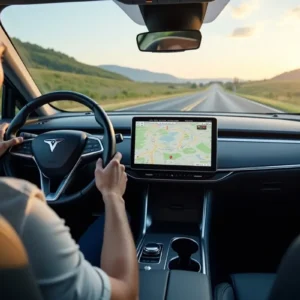
Innovation is a defining characteristic of the luxury vehicle experience. Features such as autonomous driving technology, next-generation connectivity, and advanced driver-assistance systems are becoming standard priorities for high-end clientele. According to recent surveys, safety and convenience take precedence, with buyers expecting vehicles that not only pamper them with cutting-edge amenities but also ensure a secure and seamless driving experience.
In addition, luxury automakers are at the forefront of implementing augmented reality dashboards, ultra-responsive infotainment systems, and over-the-air software updates, all designed to enhance on-road usability and entertainment. These advancements ensure that owners remain at the cutting edge of automotive innovation, while also benefiting from increased comfort and a unique sense of prestige that comes with being first adopters of next-gen technology.
Sustainability and Eco-Friendly Options
Luxury and sustainability are now increasingly intertwined. More buyers are considering hybrids and fully electric cars, driven by environmental consciousness as much as by brand prestige. This trend reflects a larger societal shift toward sustainable mobility, with some brands leading the way by offering high-performance electric vehicles (EVs) and plug-in hybrids. Yet, the journey is not without challenges, as market data reveals fluctuating interest in luxury EVs amid broader industry supply chain constraints and global economic changes.
Brands are now touting the use of recycled or eco-conscious materials for interior finishes, responsible sourcing of critical minerals for batteries, and investment in carbon-offset initiatives to bolster their environmental credentials. As governments worldwide roll out stricter emission regulations and incentivize green vehicle purchases, the pressure on high-end automakers to invest in sustainable manufacturing and communicate those values continues to intensify.
Shift in Consumer Demographics
The demographics of luxury car buyers are also evolving. Households earning upwards of $150,000 now make up nearly 43 percent of new car purchases, compared to about a third in 2019. Such concentration highlights a notable polarization in car ownership, with luxury vehicles becoming an aspirational purchase for an increasingly affluent segment of the population. This changing profile is prompting automakers to adjust their offerings and marketing strategies accordingly.
Younger buyers, particularly millennials and Gen Z, are beginning to influence luxury automotive branding and product development. These segments tend to value sustainability, advanced connectivity, and digital convenience, pushing manufacturers to redefine what luxury means in 2026 and beyond. Automakers that successfully adapt to these expectations are the most likely to secure long-term loyalty from the next generation of luxury consumers.
Impact of Digitalization
Digitalization is increasingly instrumental in how consumers research and buy luxury vehicles. Over 40 percent of luxury car buyers now prefer to engage with brands, configure vehicles, and even finalize purchases online. This shift has prompted automakers to invest in robust digital platforms, virtual showrooms, and interactive experiences that cater to today’s tech-savvy buyers. These platforms streamline the buying process and offer transparency, which modern consumers value.
Online platforms are also acting as hubs for virtual car launches, test drives, and communities where like-minded enthusiasts interact and share their experiences. In an era where convenience and immediacy are valued, the ability to browse, customize, and purchase a luxury vehicle without visiting a dealership is transforming the shopping journey. This digital-first approach ensures brands remain relevant and accessible while also capturing a global customer base.
Future Outlook
Looking ahead, industry analysts project robust growth for the luxury auto segment. The United States luxury and exotic car market alone is expected to nearly double by 2035, reaching a value close to $215 billion. Factors such as rising global wealth, the proliferation of new technologies, and heightened demand for personalized experiences are likely to fuel this expansion. Buyers and industry stakeholders alike need to stay agile and adaptive as these trends continue to drive the evolution of luxury motoring.
Automakers that anticipate and embrace change, investing in electrification, digital innovation, and deeper customer relationships, will not only capture market share but also become leaders in defining the future of luxury mobility. As product portfolios expand and as digital and sustainable innovations solidify their place in the market, opportunities will arise for both emerging and traditional brands to redefine what it means to drive, own, and experience true luxury.
Conclusion
In summary, the luxury car market is entering a new era marked by personalized experiences, sustainable innovations, and technological sophistication. As buyer profiles diversify and shopping habits evolve with digitalization, automakers are challenged to create vehicles that are not only distinctive but also agile in adapting to future needs.
For those with a passion for prestige, innovation, and sustainability, keeping a pulse on these dynamic market trends is essential for making informed purchasing decisions and understanding the direction of luxury motoring. The next decade holds unprecedented opportunities for both consumers and brands looking to craft or experience automobiles that deliver not just transportation, but truly extraordinary journeys.