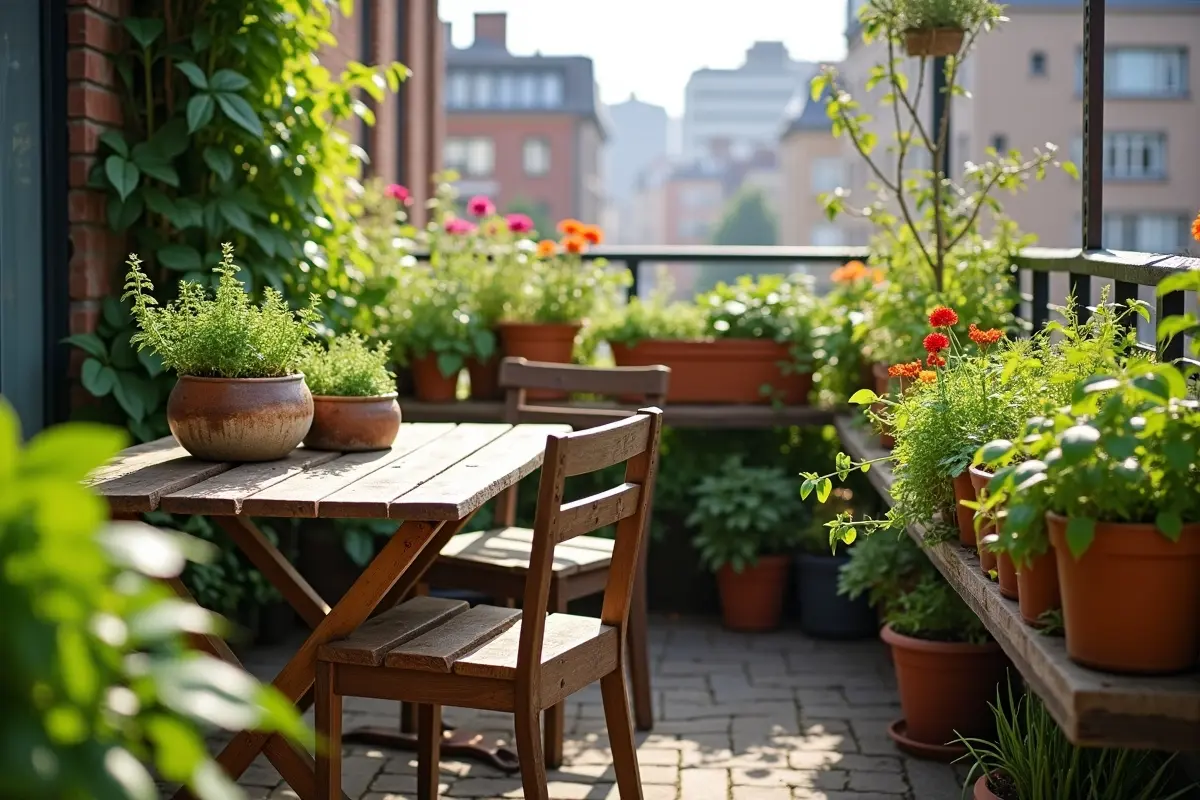
Transforming a compact urban area into a lush, eco-friendly retreat is not only achievable but also deeply rewarding. By focusing on native plants, you ensure your green space thrives with minimal maintenance and becomes a thriving habitat for local wildlife. To start your gardening journey with a variety of unique and regionally-appropriate flora, visit a reputable garden center for hands-on advice and plant selection.
Native species are naturally adapted to your region’s climate and soil, making them resilient, water-efficient, and generally easier to grow. Their presence supports pollinators and adds meaningful beauty to even the smallest outdoor spaces, such as balconies, decks, or modest backyards nestled in city neighborhoods.
Maximizing a limited footprint requires strategic planning. By understanding your space’s sunlight patterns, soil type, and vertical opportunities, you can create an abundant sanctuary that supports environmental health and personal well-being.
Incorporating native plants into your gardening plan also builds connectivity with the broader community of native gardeners in your area. If you are searching for regionally sourced plants or expert consultation, a dedicated local garden center can provide resources and connections to deepen your gardening knowledge.
Benefits of Native Plants
Native plants bring distinct advantages to urban gardeners:
- Low Maintenance: These plants typically require less watering and fewer chemical treatments, thriving in the natural climate and resisting most local pests.
- Environmental Support: Native flora provides habitat and nourishment for birds, bees, and butterflies that are essential to healthy ecological systems. According to the National Wildlife Federation, gardening with native plants plays a significant role in restoring wildlife corridors in cities.
- Soil Integrity: Deep root structures help prevent urban soil erosion, improve drainage, and build healthier substrates over time.
Designing Your Small-Space Garden
Thoughtful garden design helps maximize productivity and visual appeal in limited areas:
- Assess Sunlight and Soil: Monitor how sun patterns shift through the day and evaluate your soil’s drainage or nutrient levels. This informs plant selection and helps avoid costly mistakes.
- Use Vertical Space: Add planters on shelves, trellises for climbing vines, and wall-mounted containers for cascading greenery. Vertical gardens also improve air quality and provide privacy.
- Choose Multi-Functional Elements: Furniture pieces with built-in planters, benches with storage, or compact compost bins conserve precious usable space while serving dual purposes.
Efficient design not only makes the most of your soil but also creates an enjoyable, relaxing environment amid the urban bustle. For visual inspiration and practical layout tips, resources such as the Better Homes & Gardens Nature Lover’s Guide can be especially helpful.
Top Native Plants for Small Urban Gardens
Plant selection is crucial when working with limited square footage. These compact natives are well-suited for city environments:
- Creeping Phlox: Spreads gracefully along container edges and produces vibrant groundcover blooms in spring.
- Stonecrop (Sedum ternatum): Drought-resistant with star-shaped flowers; attracts bees and butterflies throughout the late spring and summer.
- Dwarf Beardtongue (Penstemon hirsutus ‘Pygmaeus’): Produces tubular lavender blooms ideal for hummingbird gardens, adapts well to partial shade.
- Wild Strawberries (Fragaria virginiana): Provide edible fruit and serve as host plants for butterfly larvae; flowers support pollinators in early spring.
- Tickseed (Coreopsis): Long bloom season and compact growth habit make this a versatile choice for pots and borders.
- Dwarf Black-Eyed Susan (Little Goldstar): Offers hardy yellow flowers with a late-season display, sustaining bees and butterflies as other blooms fade.
- Melampodium (Butter Daisy): These annuals are known for vivid yellow-orange flowers that attract pollinators for months.
Container Gardening with Native Plants
Containers can be placed almost anywhere, from balconies to rooftops:
- Choose the Right Containers: Select pots with ample drainage holes and the correct size for mature root systems.
- Soil Selection: Use a light, nutrient-rich potting mix suited to native plant species, as many urban soils are too dense or poor in nutrients for healthy growth.
- Plant Combinations: Group species with similar environmental requirements for a unified and healthy arrangement in each container.
Rotation and seasonal refreshment of container soil are important for ongoing plant health. Advice from experienced pros can also be found through publications like The Spruce, which features guides on how to use native plants in containers and small spaces.
Vertical Gardening Solutions
Going vertical is a smart solution for tiny spaces:
- Trellises and Arbors: Grow native vines such as Virginia creeper or honeysuckle upward to create living screens or decorative backdrops.
- Living Walls: Vertical planters or green wall systems work for both flowers and edibles, adding lushness without overtaking horizontal space.
- Hanging Baskets: These are well-suited for trailing plants like native ferns or sedges, providing greenery and color at eye level and above.
Maintaining Your Native Plant Garden
Consistent yet simple care is key to sustaining a thriving garden:
- Regular Watering: Although more drought-tolerant than most non-natives, native plants need steady moisture, especially in their first year.
- Pruning: Tidying plants by trimming spent flowers, stems, and branches helps maintain shape and vigor.
- Soil Care: Freshen container soil annually and use mulch to lock in moisture and suppress weeds.
Creating a Wildlife-Friendly Habitat
Boost biodiversity and bring nature closer to home:
- Provide Water Sources: Even a small birdbath or shallow dish can attract and sustain birds and beneficial insects.
- Include Shelter: Install birdhouses or leave undisturbed nooks for wildlife to hide and nest safely.
- Avoid Pesticides: Use natural pest control or attract pest-eating insects like ladybugs to keep your garden healthy without harmful residues.
For more tips on supporting wildlife in urban gardens, visit the resources available through the National Audubon Society.
Conclusion
Turning small city spaces into vibrant gardens with native plants not only enhances personal environments but also strengthens local ecosystems. With careful design, proper plant selection, and a commitment to sustainability, even the tiniest balcony or courtyard can become a thriving, colorful haven.