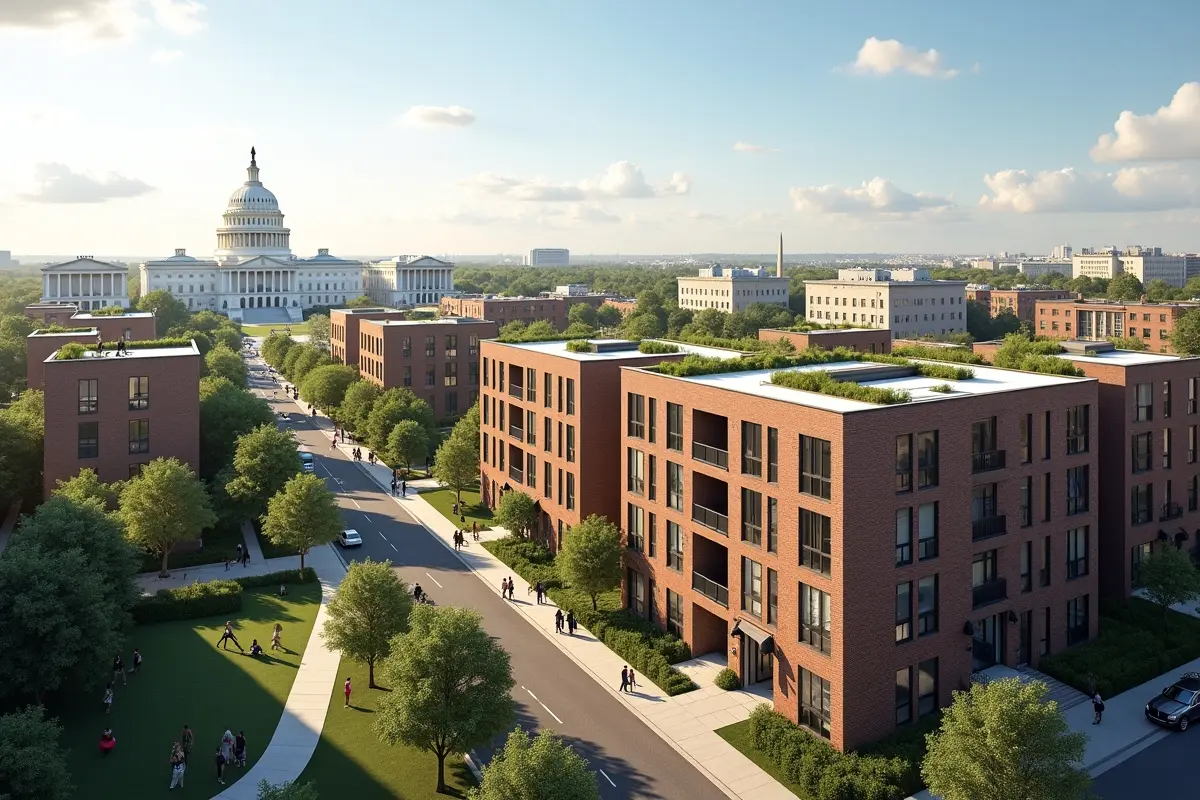
Washington, DC is experiencing a significant transformation, redefining urban living through innovative housing developments, sustainable initiatives, and enhanced community spaces. This evolution reflects the city’s commitment to creating a vibrant, inclusive, and forward-thinking environment for its residents.
For those interested in exploring the evolving housing market in the nation’s capital, Washington DC Homes for Sale offers a comprehensive selection of properties. Premier Partners, a leading real estate team affiliated with TTR Sotheby’s International Realty, specializes in the DC Metro area, providing expert guidance and a deep understanding of the local market to assist clients in finding their ideal homes.
Office-to-Residential Conversions
In response to changing work patterns and the need for more housing, Washington, DC has initiated several office-to-residential conversion projects. A notable example is The Geneva, the city’s largest office-to-residential conversion to date. This project will deliver 532 new homes, including 60 permanently affordable units, contributing significantly to the city’s housing stock.
DC’s approach to these conversions is multifaceted, targeting both vacant office buildings in central locations and older properties in emerging neighborhoods. By reimagining and repurposing existing structures, DC is leveraging its vast commercial real estate inventory to meet growing residential demand while minimizing the environmental impact associated with new construction.
Many of these conversions prioritize design features that support modern urban lifestyles, such as common workspaces for remote professionals, rooftop gardens, and shared fitness amenities. The city, incentivized by new government programs, is also prioritizing affordable housing mandates, ensuring that people from various income backgrounds can benefit from these renewed spaces.
Beyond The Geneva, projects like the conversion at 1200 17th Street NW and others underway in the Golden Triangle and Capitol Riverfront neighborhoods highlight the momentum behind this trend. Local developers are working with city officials and community groups to ensure that conversions enhance neighborhood character and contribute to long-term urban vitality.
Sustainable Housing Initiatives
DC is also leading in sustainable housing with projects like Cycle House, the city’s first net-zero, all-affordable housing community. Located in the Truxton Circle neighborhood, Cycle House features 18 units that produce as much energy as they consume, utilizing solar installations and fuel cells. This development sets a precedent for future eco-friendly housing projects in the city.
Sustainability in DC housing goes beyond energy efficiency. The city actively encourages green building certifications such as LEED and WELL, aiming to reduce carbon footprints and promote healthy indoor environments. Developers integrate features such as green roofs, rainwater harvesting systems, high-efficiency HVAC systems, and smart home technologies into both new builds and renovations. Additionally, the Department of Energy & Environment (DOEE) offers rebates and grant programs to stimulate further adoption of clean energy solutions.
Notably, ongoing research partnerships with local universities and technology companies are propelling innovation in building materials and urban planning within the city. These collaborations help pilot projects that test new methods for waste reduction, circular resource use, and long-term climate resilience. Many affordable housing developments now include electric vehicle charging stations and bike storage facilities, supporting a wider culture of environmental stewardship.
Mixed-Use Developments
The city is embracing mixed-use developments to create dynamic neighborhoods. The Stacks in Buzzard Point is a prime example, offering over 1,100 new homes across three residential buildings, along with retail spaces and community amenities. This development aims to foster a vibrant waterfront community, enhancing the area’s appeal and livability.
Mixed-use developments like The Wharf, Union Market District, and CityCenterDC continue to shape DC’s urban experience by bringing together residential, retail, office, hospitality, and cultural spaces in one cohesive environment. These projects are designed with connectivity in mind, often featuring integrated walkways, bike trails, plazas, and parks that encourage pedestrian activity and neighborly interaction. Retailers and restaurants are selected to reflect the city’s diversity, supporting both established local businesses and emerging entrepreneurs.
Importantly, these developments stimulate economic growth, creating jobs and serving as hubs for events and cultural festivities. These centers serve as gathering points for everything from farmers markets to outdoor concerts, helping to build social bonds within the city and showcasing DC’s renowned art and culinary scenes.
Enhancing Public Transit
Transportation infrastructure is also evolving to support urban living. The transformation of the New Carrollton station into a transit-centered community includes a new four-phase, 364-unit affordable housing development. This project exemplifies the integration of housing and transit, promoting accessibility and convenience for residents.
WMATA and city planners are working to expand high-frequency transit corridors, improve pedestrian and micromobility interfaces, and enhance regional connectivity through upgrades to bus lines and Metro stations. New developments are intentionally clustered around major transit hubs, supporting the city’s vision of walkable, transit-oriented neighborhoods. Projects like the redevelopment of Union Station and the expansion of DC Streetcar aim to reduce traffic congestion and lower transportation-related emissions.
By integrating developments with public transit, DC fosters equitable access to jobs, education, and amenities for all residents, reducing commute times and transportation costs, and furthering social and economic inclusion. Investments in safer cycling lanes, improved sidewalks, and shared mobility options also underline the city’s commitment to sustainable movement.
Community Engagement and Planning
Community involvement is crucial in shaping the city’s future. Initiatives like the Gallery Place/Chinatown Task Force invite residents to participate in developing visions for neighborhood revitalization. Such collaborative efforts ensure that developments align with the needs and desires of the community.
Public workshops, town halls, and digital feedback platforms are regularly utilized to give residents a voice in new projects and neighborhood transformations. City agencies seek to involve local leaders and advocacy organizations in decision-making processes, addressing topics such as affordable housing allocation, historic preservation, and equitable distribution of green spaces. This transparent, participatory approach helps build trust and fosters stronger, more resilient neighborhoods that reflect the city’s rich cultural heritage.
Future Outlook
Looking ahead, Washington, DC’s urban landscape is set to continue its transformation. Projects like the proposed RFK Plaza and Stadium aim to create year-round activation of 180 acres along the Anacostia River, offering housing, retail, and recreational spaces. These developments signify the city’s commitment to fostering a vibrant and sustainable urban environment.
City planners are also exploring innovative strategies for maintaining housing affordability and supporting economic diversity, including community land trusts, inclusionary zoning, and tax incentives for mixed-income developments. As DC attracts new residents and businesses, the focus remains on balancing growth with sustainability, heritage preservation, and equitable access to opportunity. The city’s forward-looking vision, coupled with widespread civic engagement and cross-sector collaboration, will be pivotal in shaping Washington, DC as a model for 21st-century urban regeneration in the years to come.