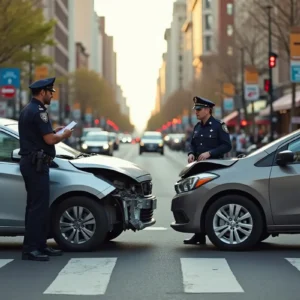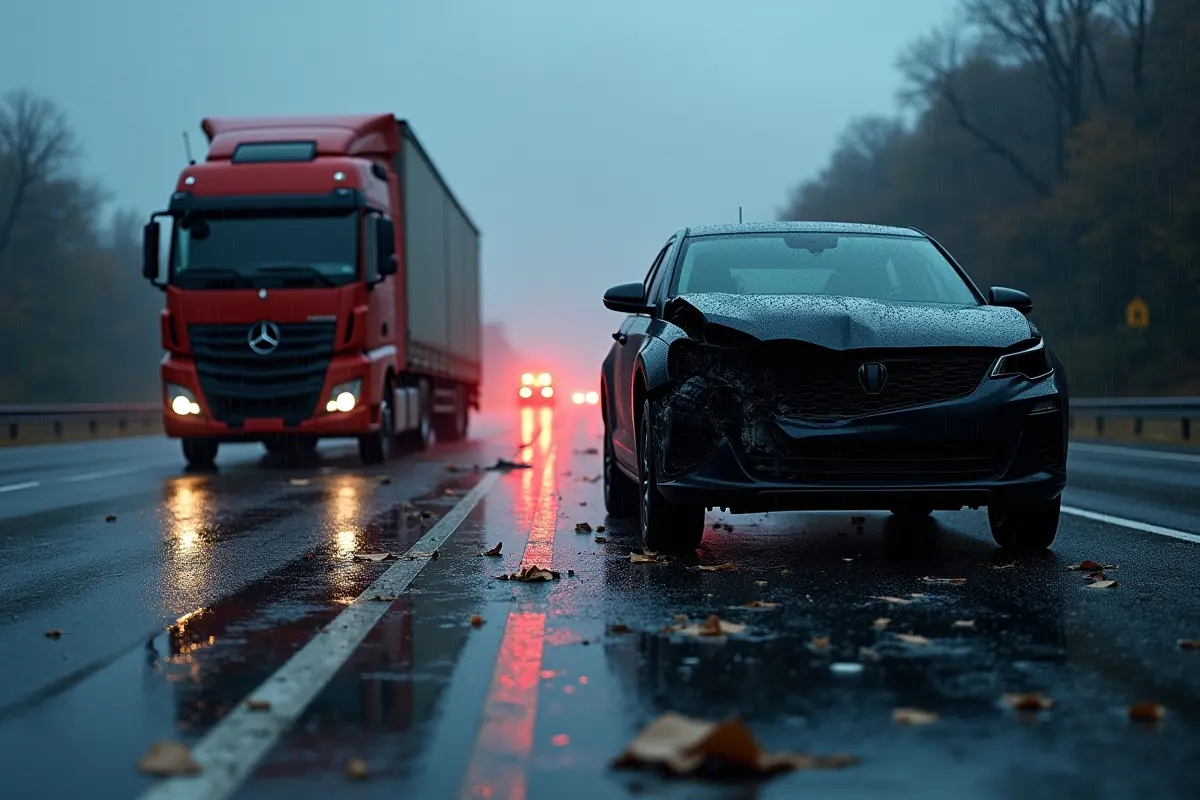
When a collision occurs on the road, the type of vehicles involved can have a profound impact on the outcome and complexity of the case. While both truck and car accidents pose serious risks, truck accidents are often far more complex from legal, medical, and insurance perspectives.
Understanding these differences is crucial when seeking justice and compensation, especially if you or a loved one has been affected. For individuals and families facing these challenging circumstances, guidance from experienced attorneys such as those at quinnlawyers.com can make a significant difference.
The disparities stem from the nature of the vehicles, the regulations governing them, and the devastating impact that trucks can have in accidents. Truck accidents often involve navigating multiple parties, such as trucking companies and insurers, and they require extensive evidence to determine liability. Recognizing these key factors is essential for anyone involved in a truck or car accident case.
Differences Between Truck and Car Accidents
The disparity in the size and weight of trucks compared to passenger cars means the physics of a collision are vastly different. Large commercial trucks can weigh up to 80,000 pounds when fully loaded, while most passenger vehicles weigh around 3,000 pounds. The impact, therefore, is much more likely to cause catastrophic injuries or fatalities when a truck is involved.
Additionally, stopping distances are longer, and the risk of multi-vehicle pileups is higher. Moreover, truck accidents often cause not just physical injuries, but also property damage and long-term emotional trauma. This complexity extends to the legal evaluation and handling of such cases. According to the National Highway Traffic Safety Administration (NHTSA), truck accidents accounted for 13 percent of all traffic fatalities in 2022, despite representing a much smaller share of total vehicles on the road.
Federal and State Regulation Challenges
One of the significant complexities in a truck accident case arises from the web of federal and state regulations that govern commercial trucking. The Federal Motor Carrier Safety Administration (FMCSA) enforces strict rules on hours of service, maintenance standards, weight limits, driver licensing, and hazardous material handling.
These regulations are layered on top of state laws that can impose additional requirements or restrictions. Violations of these rules can play a central role in establishing liability but require detailed investigation and legal knowledge to uncover and interpret.
By contrast, most car accidents are governed primarily by state traffic laws. While there are safety regulations for all vehicles, the unique layer of federal oversight sets truck accidents apart and adds substantial legal complexity.
Liability and Multiple Parties Involved
Determining fault in a car accident is usually a straightforward process involving the drivers. With truck accidents, however, liability may extend to several parties beyond just the driver. Possible liable parties include the trucking company, the driver’s employer, manufacturers of truck parts, maintenance companies, loading dock personnel, and even third-party contractors.
Each of these entities may have its own insurance, legal teams, and records that must be reviewed. This complexity makes truck accident cases very challenging for the average person to navigate on their own. Legal teams must investigate the relationships between these entities and explore issues such as negligent hiring or training, improper maintenance, or defective equipment. This intricate web is why seeking expert legal representation is often necessary for truck accident cases.
Evidence and Investigation Requirements
Truck accidents require a more comprehensive and technical investigation compared to most car accidents. In addition to police reports and eyewitness statements, truck accidents often demand review of the truck’s “black box” data, driver logs, maintenance records, GPS data, and even security camera footage from loading docks or nearby businesses.
Trucking companies may have rapid-response teams to investigate accidents and begin building a defense within hours, leaving accident victims at a disadvantage without immediate legal help. Given the importance of preserving evidence, victims and their families need to act quickly. Proper documentation of injuries, vehicle damage, and road conditions is essential. Thorough investigations can reveal violations of safety regulations or company policies that contributed to the crash.
Insurance Claims and Compensation Issues
The aftermath of a truck accident can be overwhelming, especially when it involves negotiating with multiple insurance carriers. Commercial trucks often carry much larger insurance policies than passenger vehicles due to the potential for significant damage.
However, this does not guarantee fair compensation; it frequently leads to aggressive tactics from insurance adjusters and defense attorneys representing large trucking or insurance companies. Victims may face hurdles such as low initial settlement offers, delayed claims processing, and disputed liability.
Legal representation ensures that all avenues for compensation for medical expenses, lost wages, and pain and suffering are thoroughly pursued. For independent insights on handling insurance claims after a serious accident, Consumer Reports offers helpful guidance for motor vehicle accident victims.
Conclusion
Truck accident cases are fundamentally more complex than typical car accident cases. Differences in size and safety regulations, coupled with the number of potential parties involved and the volume of evidence required, mean victims face an uphill battle. Understanding these complexities is vital for anyone affected by a truck accident, whether as a victim or a loved one seeking justice. Legal consultation from firms experienced in truck accident litigation can help victims navigate these complexities and pursue just compensation.