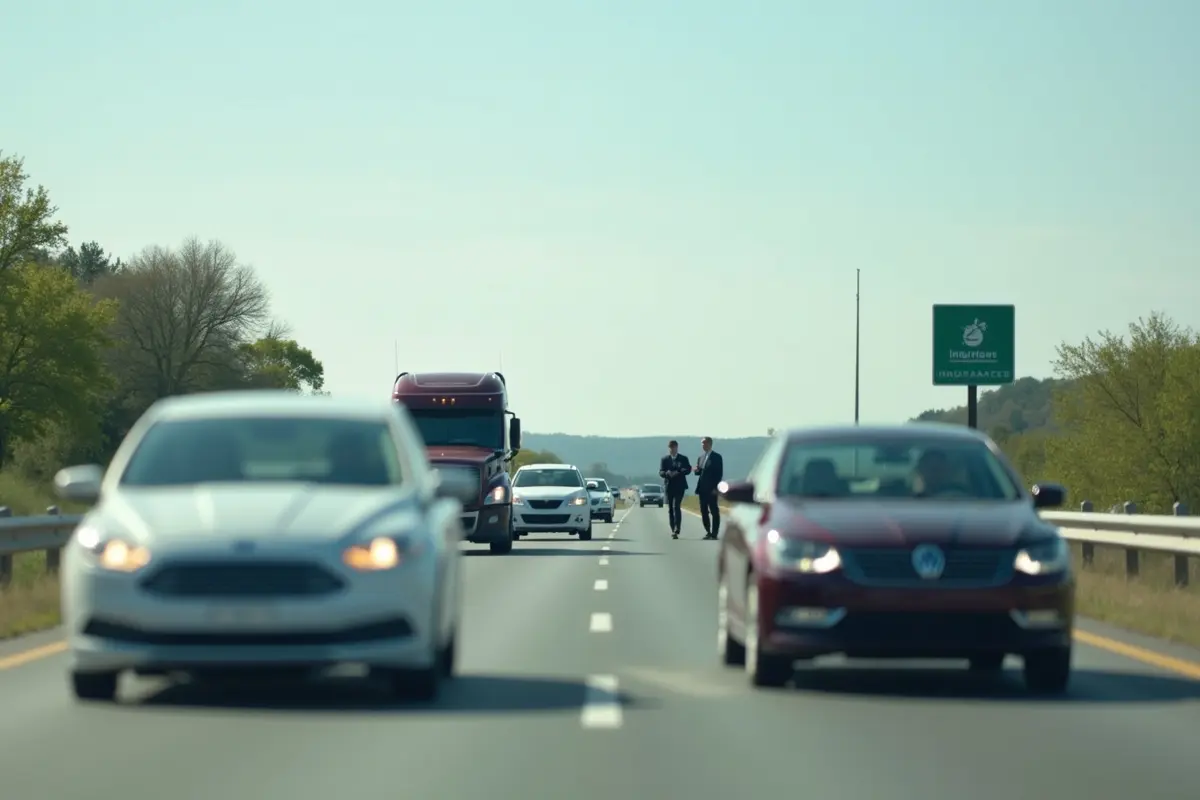
Car insurance acts as both a legal requirement and a vital protective measure for drivers, passengers, and others on the road. Understanding your insurance options can protect you from unexpected costs after an accident and provide peace of mind.
Whether you’re commuting daily or embarking on a road trip, the right car insurance ensures you’re covered against a range of risks. Car insurance quotes comparison can help you find the coverage best suited to your needs while keeping costs manageable.
Getting car insurance is more than just following the laws—it’s about safeguarding your finances, your vehicle, and even your well-being in the face of accidents, natural disasters, or theft. The evolving landscape of insurance, including innovative technologies and usage-based options, means there are now more choices (and considerations) than ever before.
Understanding the essentials of each coverage type, knowing the requirements in your state, and recognizing what’s excluded from typical policies can help you avoid costly surprises.
Uninsured motorists, changes to legal minimums, and advancements in telematics all shape modern car insurance policies. If you want to be sure you’re protected from every angle, knowing the ins and outs of these topics is essential for every driver.
Contents
- 1 Legal Requirements for Car Insurance
- 2 Types of Car Insurance Coverage
- 3 Financial Protection Offered by Car Insurance
- 4 Uninsured and Underinsured Motorist Coverage
- 5 The Rise of Usage-Based Insurance
- 6 Telematics and Its Role in Modern Insurance
- 7 Standard Exclusions in Car Insurance Policies
- 8 Conclusion
Legal Requirements for Car Insurance
Most states require drivers to have a minimum amount of liability insurance, ensuring that anyone at fault in an accident can cover the costs of injuries or property damage to others. California, for example, currently mandates minimum liability limits of $15,000 per injured person, $30,000 per accident for multiple injuries, and $5,000 for property damage.
These limits will increase in 2025, underscoring the growing recognition of the actual costs of accidents. Remaining compliant isn’t just about avoiding fines; it ensures everyone on the road is better protected.
Types of Car Insurance Coverage
When selecting a policy, it’s essential to understand the range of coverage types offered:
- Liability Coverage: Pays for other people’s injuries or property damage if you’re at fault.
- Collision Coverage: Covers repair or replacement of your vehicle after an accident, regardless of fault.
- Comprehensive Coverage: Covers theft, vandalism, weather events, and other non-collision incidents.
- Personal Injury Protection (PIP): Assists with medical bills for you and your passengers, regardless of fault.
- Uninsured/Underinsured Motorist Coverage: Helps when accidents involve drivers who lack sufficient coverage or have none at all.
Comprehensive and collision coverages are generally optional unless required by a lender or lessor, but they offer peace of mind when your vehicle has significant value.
Financial Protection Offered by Car Insurance
Without the backing of car insurance, accident-related expenses can overwhelm most people’s savings. Liability policies are particularly crucial since they cover the other party’s property and medical costs. They also cover your own legal fees if you’re sued. For instance, policy limits could make a difference if a serious injury claim comes against you. These limits determine the difference between manageable costs and financial ruin.
Many experts recommend choosing coverage well above state minimums to ensure maximum protection, especially considering the rising costs of vehicles and healthcare.
According to Consumer Reports, drivers can also take practical steps to lower premiums, such as maintaining a clean driving record, bundling policies, and taking advantage of available discounts. These strategies not only help reduce costs but also make it easier to secure sufficient coverage without compromising protection.
Uninsured and Underinsured Motorist Coverage
Even the best drivers can become victims if someone with insufficient insurance hits them. Statistics reveal that millions of registered vehicles lack insurance. Texas, where over 2.4 million vehicles aren’t linked to a valid policy, shows this.
Uninsured/underinsured motorist coverage steps in to protect you, paying for your medical treatments and vehicle repairs when the at-fault driver cannot. This coverage is especially valuable when you never identify the responsible party in hit-and-run situations.
The Rise of Usage-Based Insurance
Usage-based insurance (UBI) models have changed how we calculate premiums. With UBI, your actual driving habits determine your rates. These habits include the distance you travel, your speed, and the time of day you drive. They also include how you brake or accelerate.
This personalized approach encourages safer driving and can lead to significant discounts for low-mileage or defensive drivers. Insurers are increasingly offering app-based or device-based tracking, giving policyholders greater control over their insurance costs.
Telematics and Its Role in Modern Insurance
Telematics leverages advanced in-car technology to monitor real-time driving data, allowing insurers to adjust rates based on measurable behaviors. This technology can also assist with theft recovery, accident investigation, and even real-time alerts in emergencies.
As insurers collect more driving data, expect further innovation and potential for additional driver discounts, making telematics a driver-friendly evolution in the industry.
Standard Exclusions in Car Insurance Policies
Equally important is knowing what your policy won’t cover. Standard exclusions often include:
- Intentional damage or criminal activity by the policyholder.
- Using your vehicle for ride-sharing or business delivery without commercial coverage.
- Flood or earthquake damage without the proper comprehensive endorsement.
- Theft of personal items from your car (these are generally covered by renters’ or homeowners’ insurance).
According to a detailed guide from CNBC, many policyholders are surprised by these gaps and find that reviewing exclusions can prevent costly surprises. Taking the time to understand these limitations helps. This ensures you aren’t left financially vulnerable in unexpected situations. It’s always wise to discuss potential gaps with your agent to explore additional coverage options that fit your needs.
Conclusion
Car insurance is more than a formality—it’s a robust financial protection that can prevent life-changing losses after an accident, theft, or disaster. By understanding your policy choices, legal obligations, and the role of new technologies, you can confidently select coverage that suits your situation.
Review your policy at least annually to ensure continued protection as legal requirements and personal needs evolve. The right insurance strategy will keep you, your loved ones, and your financial future secure, no matter what the road brings.