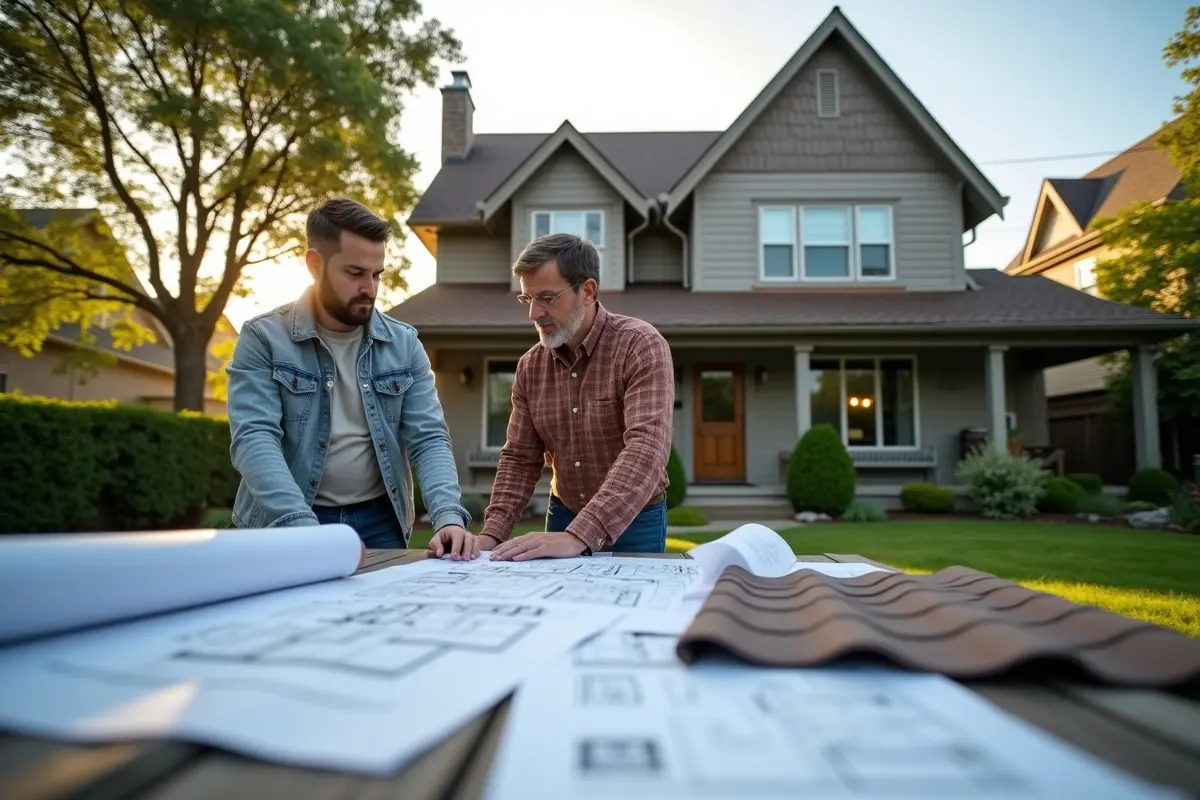
A roof is one of the most important parts of your home. It protects you from rain, snow, wind, and heat. Over time, roofs wear out or may need upgrades to improve safety and energy efficiency.
Planning a roof renovation carefully ensures the work is done right, stays on budget, and avoids surprises. This step-by-step guide helps homeowners plan a successful roof renovation. From inspecting your roof to choosing materials and hiring professionals, these steps will make the process smoother.
Keep on reading below.
Contents
- 1 Inspect Your Roof
- 2 Set a Budget
- 3 Choose Roofing Materials
- 4 Obtain Permits and Approvals
- 5 Hire a Professional Roofing Contractor
- 6 Plan the Timeline
- 7 Prepare Your Home
- 8 Roof Removal and Inspection
- 9 Install the New Roof
- 10 Inspect and Finalize
- 11 Maintain Your Roof
- 12 Ensuring a Successful Roof Renovation
Inspect Your Roof
Before making any plans, you need to know the condition of your roof. Look for signs of damage such as missing, cracked, or curling shingles. Check your attic or ceilings for leaks and look for sagging areas or structural issues.
Even small problems can become costly if ignored. Consider hiring a professional for a full inspection. They can identify hidden damage, estimate repair needs, and help you decide whether a full replacement or partial renovation is necessary.
Set a Budget
Budgeting is essential for a successful roof renovation. Costs include materials, labor, permits, and any additional services such as gutter replacement or insulation.
Factors affecting cost include roof size, complexity, material type, labor rates, and unexpected repairs discovered during renovation. Set a realistic budget with a buffer for surprises. This helps you avoid delays and financial stress during the project.
Choose Roofing Materials
The type of roofing material affects cost, durability, and appearance. Common options include asphalt shingles, metal, tile, and slate.
Asphalt shingles are affordable and easy to install, but may wear out faster in harsh climates. Metal roofs are long-lasting and energy-efficient, but cost more upfront. Tile roofs are durable and stylish, while slate is very long-lasting and high-end, but expensive.
Consider your local climate, roof pitch, and budget when choosing materials. Experts like this roofing company in Chicago IL, can help you pick materials that meet your needs and ensure proper installation.
Obtain Permits and Approvals
Many cities require permits for roof renovations. Permits make sure the work meets safety rules and building codes. Without the right permits, you could face fines, delays, or problems when selling your home.
Start by checking with your local building department to learn what permits are needed. Some cities require inspections before, during, and after the work is done.
Your roofing contractor can usually handle the permit process for you. They know what forms to fill out and which inspections are required, which can save you time and stress.
It’s also important to check if there are any special rules for historic homes, HOA neighborhoods, or areas with unique safety requirements. Getting all permits and approvals in advance keeps the project legal, smooth, and on schedule.
Hire a Professional Roofing Contractor
Hiring a skilled contractor is critical. Experienced roofers bring the right tools, safety measures, and expertise. Ask for references and read reviews.
Verify licenses, insurance, and certifications. Request detailed written estimates and confirm project timelines. A reputable roofing company ensures the work is done safely, efficiently, and according to code.
Plan the Timeline
Roof renovations can take several days to weeks, depending on size and complexity. Plan your schedule to minimize disruptions. Consider weather conditions, material delivery times, and contractor availability.
Communicate the timeline with your contractor and family. Knowing what to expect reduces stress and keeps the project on track.
Prepare Your Home
Before roof work starts, get your home ready. Move cars away from the work area. Cover or move outdoor furniture, grills, and plants to protect them from debris.
Trim tree branches near the roof that could get damaged. Tell your neighbors about the work. Let them know there may be noise and extra trucks.
Inside, close windows and move valuables away from areas under the roof. Preparing your home keeps your belongings, landscaping, and neighbors safe. It also helps the roof work go smoothly and on schedule.
Roof Removal and Inspection
If you are replacing your roof, the old shingles or tiles must be removed. This step allows contractors to inspect the underlying structure for damage.
Damaged wood, flashing, or insulation can be repaired or replaced before new materials are installed. Skipping this step can lead to hidden issues and future repairs.
Install the New Roof
Once the old roof is removed and repairs are made, the new roofing materials are installed. The installation process may include laying underlayment, placing shingles or panels, adding flashing around chimneys and vents, and sealing joints to prevent leaks.
Professional installation ensures proper alignment, durability, and protection from the elements. A well-installed roof protects your home and reduces long-term maintenance costs.
Inspect and Finalize
After installation, inspect the roof to ensure quality. Check for even shingle placement, proper flashing, and clean-up of debris from your property.
Final inspections also allow contractors to explain warranties and maintenance tips. This ensures your roof renovation meets your expectations and provides long-term protection.
Maintain Your Roof
Even a new roof needs care. Clean gutters and downspouts regularly to prevent water damage. Remove leaves, branches, and debris from the roof.
Check for loose or broken shingles and fix them right away. After storms, inspect your roof for leaks, water stains, or sagging areas. Make sure vents, flashing, and seals are in good shape.
Trim tree branches that could fall on the roof. Regular maintenance keeps your roof strong, lasts longer, and saves money on repairs. Small tasks each year prevent bigger problems and protect your home.
Ensuring a Successful Roof Renovation
A roof renovation is a major investment, but careful planning makes it manageable. By inspecting your roof, setting a budget, choosing the right materials, obtaining permits, and hiring a skilled contractor, homeowners can avoid surprises and stay on schedule.
Routine maintenance after installation ensures your roof continues to protect your home for years. Working with a trusted roofing company gives you confidence that the job will be done safely, professionally, and to code. Following this step-by-step guide helps homeowners plan their roof renovation with confidence, avoid costly mistakes, and achieve a safe, long-lasting result.
For more related topics, check out the rest of our blog!