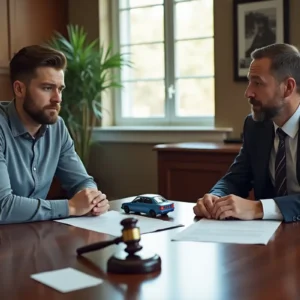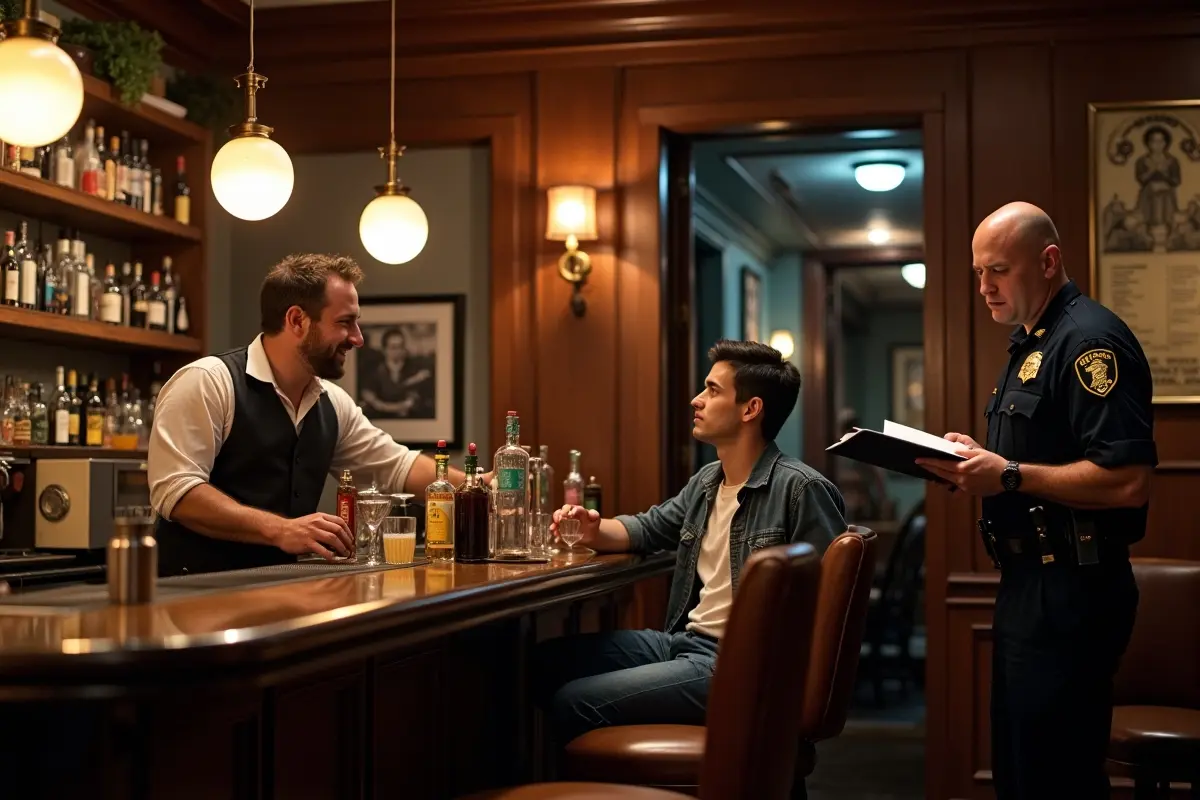
Bars and restaurants are vital parts of American social life, but with that privilege comes the responsibility to serve alcohol safely and responsibly. When establishments ignore this duty and over serve, the risks to community safety are severe, often leading to tragic consequences such as drunk driving crashes and alcohol-related violence. Victims of these scenarios may have legal options for justice and recovery, especially with the help of a Houston dram shop attorney who understands how to hold at-fault businesses accountable.
Understanding how over-serving occurs, how it is regulated, and what legal tools exist to address the aftermath is crucial for both the public and alcohol sellers. By raising awareness of these issues, advocates and families can push for better safety standards across the hospitality industry and reduce preventable harm.
In this article, we will discuss industry standards for responsible service, dram shop liability laws, how victims can seek justice, and the steps communities can take to demand accountability from bars and restaurants that fail to uphold these standards.
Contents
Understanding Over-Serving in Bars and Restaurants
Over-serving happens when an establishment continues to provide alcohol to someone who is visibly intoxicated or underage. This failure of judgment can lead to impaired driving, violence, and serious accidents, making the consequences extend beyond the individual customer. Law enforcement agencies and public health officials have long identified bars and restaurants as critical points where responsible practices can dramatically decrease alcohol-related incidents.
According to the National Highway Traffic Safety Administration, nearly 34 people in the United States die in drunk-driving crashes every day, and studies show a significant proportion of these drivers were last served at a licensed premises. Such data highlights why proactive measures and consistent enforcement of safe service protocols are essential for community safety.
Industry Responsibility and Training Standards
Bartenders, servers, and management staff are required by law in most states to refuse service to visibly drunk or underage individuals. Many states mandate responsible beverage service (RBS) training, which equips employees to spot intoxication, check IDs, and intervene appropriately.
Certification courses such as TIPS (Training for Intervention Procedures) and ServSafe Alcohol are designed to help staff make responsible decisions and reduce the establishment’s liability. However, not all states enforce training rigorously, and some businesses cut corners amid busy or lucrative shifts.
Employers must foster a workplace culture that prioritizes customer welfare over sales goals. Posting clear policies, rewarding responsible service, and providing ongoing staff education are ways businesses can support their teams in upholding the law. In environments where alcohol is regularly consumed, vigilance and a collective sense of duty are vital to prevent accidents and save lives.
Dram Shop Laws and Legal Liability
Dram shop laws exist in nearly every state and give victims of drunk driving or alcohol-related incidents the legal right to pursue compensation from the establishment that overserved the at-fault individual. These statutes vary from state to state, but generally make it illegal for alcohol-serving businesses to provide drinks to clearly intoxicated or underage patrons. If a bar or restaurant violates this, and a patron subsequently causes harm, the business can be held liable for ensuing injuries or losses.
Establishing liability typically involves proving that the patron was obviously intoxicated and that the establishment continued service, contributing to the later accident. Witness testimony, security footage, receipts, and police reports often play key roles in these cases. Legal action not only delivers justice for victims but also incentivizes establishments to enforce safe serving practices.
Pursuing Justice for Victims of Over-Serving
Victims injured by intoxicated drivers or in alcohol-fueled altercations may suffer severe personal and financial loss. Dram shop liability can allow these individuals and their families to seek compensation for medical expenses, lost wages, pain and suffering, or wrongful death. Attorneys specializing in this field will investigate whether an establishment failed to uphold its duty of care, gather necessary evidence, and represent clients in insurance negotiations or at trial.
Lawsuits against bars and restaurants signal to the hospitality industry that community safety is paramount. They incentivize better training and oversight, as well as promote the development of preventive policies such as cut-off limits and safe-ride programs. Moreover, fair accountability ensures that injury or loss does not fall solely on victims and their loved ones.
Community Action and Policy Solutions
Communities can help prevent over-serving through a combination of educational initiatives, enforcement, and advocacy. Public awareness campaigns that highlight the dangers of over-serving and the consequences for businesses can have a significant preventative impact. Lawmakers and community leaders are encouraged to support regular compliance checks, fund enforcement initiatives, and promote responsible beverage service training in both urban and rural regions.
Local advocacy groups, survivors, and families who have been impacted by alcohol-related tragedies often play a key role in pushing for more stringent enforcement of dram shop laws. Community engagement holds businesses accountable and fosters a culture where alcohol is served safely and responsibly.
Conclusion
Holding bars and restaurants accountable for over-serving is critical to public safety and the health of our communities. When hospitality establishments adhere to the highest standards for responsible service and legal compliance, they not only avoid liability but contribute to safer neighborhoods for everyone. By understanding industry responsibilities, leveraging legal tools such as dram shop laws, and promoting community-wide prevention, we can significantly reduce the risks posed by over-serving and prevent needless harm.