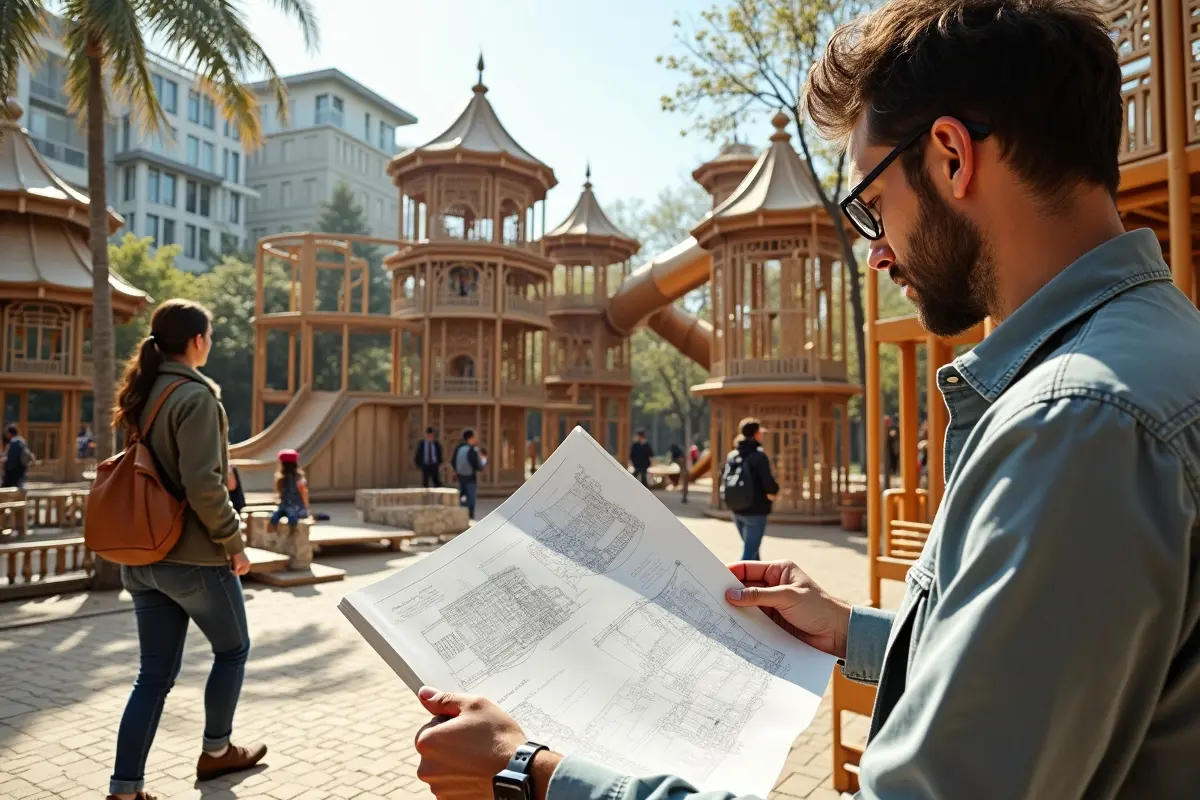
Physical play spaces still play a big role in bringing people together. Parks, playgrounds, sports courts, and community centers give people a place to meet, talk, and have fun in real life.
These spaces help children make friends and learn teamwork. Even adults connect with neighbors and build stronger bonds. They also encourage people to stay active and spend more time outside instead of only using screens.
In busy communities, these places create a sense of belonging and support. But how exactly do physical play spaces continue to help people build real friendships and stronger community connections? Let’s find out!
Contents
Promoting Community Engagement
Modern play spaces help people spend more time together and build stronger community ties. Parks, playgrounds, and sports areas give neighbors a place to:
- meet
- talk
- enjoy shared activities
Families, children, and older adults can all join community events and create happy memories together. These spaces also encourage teamwork, kindness, and support among residents.
When people gather in safe and welcoming places, they feel more connected to the area where they live. Over time, these regular interactions help create trust, stronger friendships, and a more active community for everyone involved.
Facilitating Inclusive Environments
Good community spaces are designed so children, adults, and seniors can all enjoy activities together. Accessible playgrounds, open parks, and shared recreation areas allow more people to join without feeling left out.
These spaces encourage:
- respect
- understanding
- friendly interaction among visitors
They also help people feel comfortable meeting others outside their normal social circles. When communities create inclusive play spaces, they support equality and connection.
This helps build stronger relationships and creates a positive environment where everyone can feel accepted, valued, and supported every day.
Encouraging Physical Health and Well-Being
In these spaces, children can run, climb, and play games while adults may walk, exercise, or join sports activities. Spending time outdoors can also help lower stress and improve mood.
These spaces support physical and mental well-being by giving people a healthy break from busy daily routines and screen time. Communities with safe and active play areas often inspire healthier lifestyles for all ages.
Regular activity in these shared spaces can improve energy, build confidence, and help people enjoy a happier and more balanced daily life.
Establishing Social Infrastructure
Physical play spaces are an important part of healthy and connected communities. They give people safe places to meet, relax, and enjoy time together with family and friends.
Community parks, recreation centers, and family entertainment centers like KingPins help people of all ages spend time together and build stronger connections. These places encourage friendly conversations and shared activities that bring neighbors closer.
They also give communities space for events, parties, and local gatherings. As neighborhoods grow, these social spaces help people build trust and feel more united. They create a welcoming environment where everyone can feel included, supported, and comfortable each day.
Importance of Strengthening Community Ties
Shared spaces and activities help people make friends, build trust, and work together. When people stay connected, communities become safer, happier, and more welcoming for everyone.
Spending time at local events and caring for public spaces can help future generations. Support community programs and create more places where people can meet, spend time together, and grow as a community. Small actions today can help build stronger and kinder neighborhoods for the future.
Did you find this article helpful? Check out the rest of our blog now!