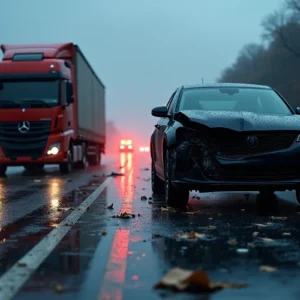
Truck accidents often result in not only extensive property damage but also serious injuries or fatalities due to the massive size and weight of commercial vehicles. Unlike more straightforward car accidents, the scale and forces involved in truck crashes make them highly complicated to analyze.
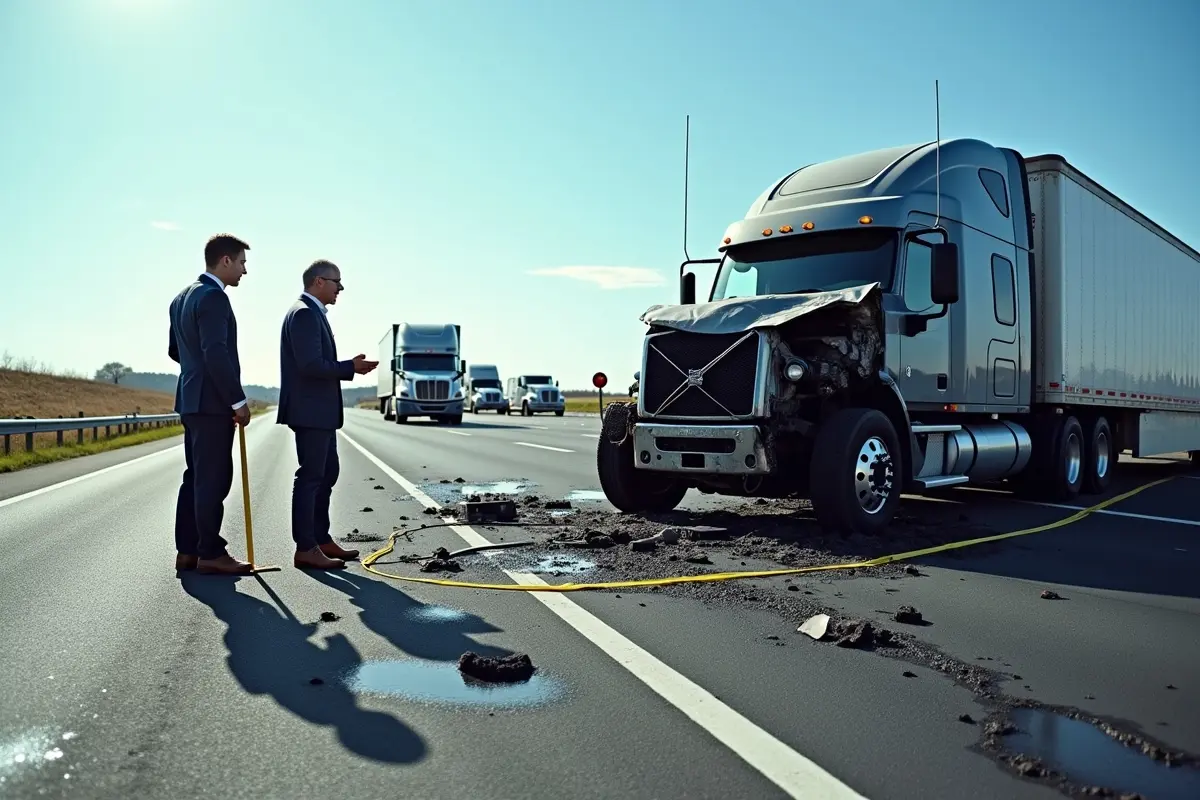
Accident reconstruction specialists are trained to approach these incidents methodically, using principles from physics, engineering, and forensic science. Their investigations begin by securing the accident scene to prevent loss of evidence, followed by meticulous documentation of tire and gouge marks, vehicle debris, collision angles, traffic signals, and weather conditions at the time of the crash.
Accident reconstruction experts gather and analyze vital physical evidence, such as skid marks, vehicle deformation, and road surface conditions, to determine how a collision unfolded. The process is especially important in truck cases where the large size and momentum of these vehicles can create numerous points of impact and complicate liability. If you want to protect your rights and understand your options after a truck accident, it is crucial to get legal help as soon as possible.
Physical evidence collected at the accident scene allows professionals to recreate a detailed timeline of events. Accident reconstructionists analyze vehicle positions, contact points, and mechanical failures to determine causation. Their findings reveal if driver negligence, environment, or equipment issues contributed, especially in truck cases involving high stakes. Accurate reconstructions identify fault and shape legal, insurance, and regulatory decisions.
Contents
The Impact of Modern Technology
Recent advances in technology have revolutionized accident reconstruction. Many trucks now come equipped with Event Data Recorders (EDRs), also known as “black boxes.” These devices record essential metrics, including speed, braking activity, seat belt use, and engine status, before, during, and after collisions.
This information helps investigators determine whether the truck was speeding, when the brakes were applied, and whether the driver made steering adjustments. EDRs often collect second-by-second data, offering valuable insights into vehicle behavior and driver responses.
Complementary tools such as dashcams and telematics provide visual evidence and behavior logs, supporting safety reviews and enforcement of infractions. This factual data reduces uncertainty and aids liability determinations. Although technology doesn’t replace expert analysis, it allows reconstruction specialists to base their conclusions on concrete data, enhancing crash analysis and safety improvements.
Simulation Software and Accident Modeling
Advanced simulation software transforms accident reconstruction into a digital process. These programs create animated models of accident scenes based on evidence, physical laws, and vehicle data. Investigators adjust parameters such as speed, impact angle, and road conditions to test hypotheses and identify scenarios that align with the evidence.
Modern software generates detailed 3D accident scenes, factoring in physics variables such as mass, momentum, friction, and deformation, enabling hundreds of trial runs. This approach helps illustrate how maneuvers such as sharp turns or sudden braking can influence collisions. These simulations effectively convey the event sequence and its complexity.
In court, visual reconstructions help juries and judges understand accidents through clear, scientifically supported visuals rather than technical jargon. This transparency enhances comprehension of causes and liability. When combined with photos or drone footage, these visualizations strengthen their impact in legal proceedings.
Reconstruction’s Role in Legal Proceedings
Accident reconstruction specialists often impact truck accident legal cases through data-based analyses that verify or question statements made by drivers, witnesses, and insurers. Their court testimony may address technical aspects such as speed, vehicle defects, driver actions, and safety features.
For plaintiffs, robust reconstruction evidence can demonstrate fault or regulatory failures; for defendants, it can disprove false allegations or correct biased witness reports. Precise reconstructions support fair legal resolutions, ensure appropriate compensation, and enhance industry safety standards.
Conclusion
Accident reconstruction is not only valuable for clarifying the cause of truck accidents; it is essential for establishing accountability and guiding future prevention measures. With expert analysts, sophisticated technology, and digital simulation, the path from collision to courtroom verdict is far more precise and transparent than ever before.
In truck accident cases, these advancements serve both the pursuit of justice and the promotion of safer roads for everyone. By investing in these modern investigative techniques, society stands to benefit from fewer accidents, more accurate verdicts, and enhanced trust in the legal process governing roadway safety.