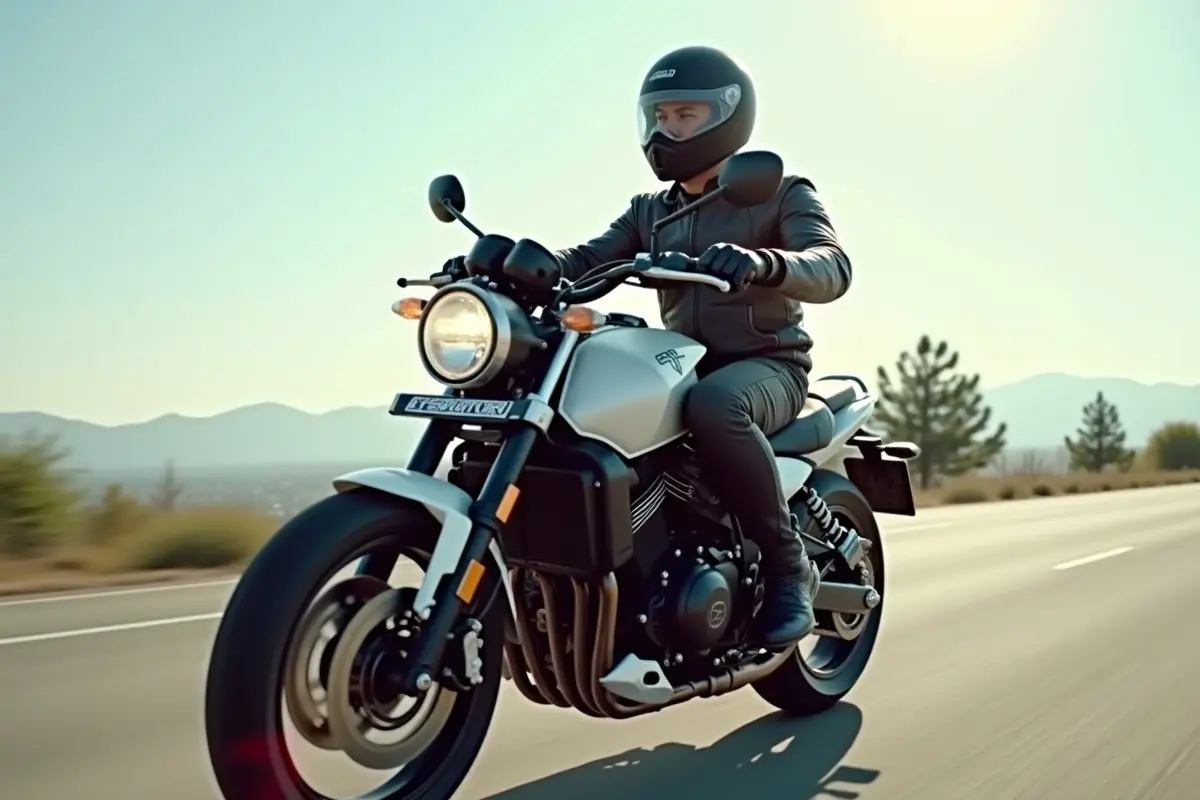
Riding a motorcycle offers a sense of freedom and efficiency that few other modes of transportation can match. However, for the motorcyclist, this experience also comes with heightened exposure to road hazards, changing weather conditions, and the actions of other drivers.
Unlike enclosed vehicles, motorcycles provide limited physical protection, making awareness, preparation, and responsible decision-making essential. Understanding the risks involved and adopting proven safety practices can significantly reduce the likelihood of serious injury while helping riders feel more confident and in control on the road.
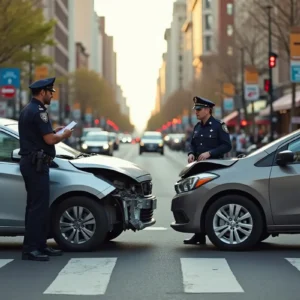
Developing safe riding habits extends beyond wearing protective gear and following traffic laws, although both are essential. It also involves anticipating potential dangers, maintaining proper visibility, and knowing how to respond calmly in unexpected situations. When accidents do occur, the aftermath can be complex, sometimes leading individuals to seek guidance from a motorcycle accident lawyer to understand their rights and responsibilities better.
By focusing on prevention and informed choices, riders can better protect themselves and contribute to safer roadways for everyone. Education, practice, and respect for road conditions remain foundational elements of long-term motorcycle safety for all riders.
Contents
Wear a DOT-Compliant Helmet
Your helmet is the most critical piece of safety equipment you’ll ever buy, and it can literally be the difference between life and death in a serious accident. Helmets are about 37% effective in preventing fatal injuries to motorcycle riders and 41% for passengers. Ensure that you choose a helmet labeled as DOT-compliant, which means it meets or exceeds the Department of Transportation’s standards for impact protection, field of vision, and retention.
Don’t be tempted by novelty helmets that may look stylish but offer little real protection. Investing in a high-quality helmet, preferably a full-face model, provides the best coverage for your head, face, and jaw. Replace your helmet after any significant impact or every few years, as materials can degrade over time.
Invest in Full Protective Gear
While helmets are vital, full-body protection reduces the risk of serious injuries in the event of a fall or crash. Key items include:
- Jackets and Pants: Opt for abrasion-resistant materials, such as leather or reinforced textiles, for protection and insulation. Modern gear often has removable armor at key areas for added safety.
- Gloves: Protect your hands from road rash and enhance control of your bike. Quality gloves shield palms, knuckles, and wrists during emergencies.
- Boots: Opt for ankle-covering styles with sturdy soles for added grip and support. Good boots help prevent standard foot and ankle injuries in motorcycle accidents.
Wearing complete protective gear not only offers critical injury protection but can also shield against harsh weather and flying debris from the road. Gear designed specifically for motorcycling will typically include features such as waterproof linings, ventilation, and reflective elements for added comfort and safety. Remember, even short trips can lead to unexpected incidents—gear up every time you ride.
Maintain Your Motorcycle Regularly
Regular maintenance is crucial for maintaining your motorcycle’s performance and preventing unexpected mechanical failures. Before every ride, check your:
- Tires: Inspect for proper inflation, tread depth, and any visible signs of damage, such as cuts, bulges, or embedded objects. Proper tire pressure ensures good traction and handling.
- Brakes: Squeeze both levers and confirm responsive braking with no odd noises or feelings. Ensure the brake fluid level is at the correct level and free from contamination.
- Lights and Signals: Ensure your headlights, brake lights, and turn indicators are functioning correctly to remain visible on the road. Replace any burnt-out bulbs and keep lenses clean for maximum visibility.
Additional maintenance tasks include checking chain tension and lubrication, monitoring fluid and oil levels, and ensuring that mirrors are correctly positioned. Consistent attention to maintenance can prevent issues that may otherwise cause dangerous situations during a ride, and a well-maintained bike is more enjoyable and reliable to operate.
Stay Visible and Alert
Motorcycles are less conspicuous than cars, so riders should take steps to ensure they remain visible to other road users. Wear high-visibility or reflective clothing and keep your headlights on at all times, even during the day.
Use turn signals and hand signals when changing lanes or at intersections to ensure your safety and the safety of others. Position yourself so that you can be seen in the driver’s mirrors and avoid blind spots. Always anticipate that other motorists may not see you. Staying proactive about visibility can help prevent accidents.
Practice Defensive Riding
Defensive riding involves staying aware of your surroundings, anticipating the actions of others, and maintaining a safety buffer in traffic. Maintain a safe distance from vehicles, exercise caution at intersections, and avoid aggressive driving maneuvers.
Look out for hazards like potholes or debris, and avoid weaving through traffic or riding too closely to others. These tactics help prevent collisions, especially in busy areas. Sometimes, it’s better to let another driver go ahead rather than challenge their right of way.
Avoid Riding in Adverse Weather Conditions
Poor weather can transform even familiar routes into hazardous terrain for motorcyclists. Rain, snow, or ice create slippery surfaces, significantly reducing both traction and visibility. If you must ride in such conditions, slow down, avoid sudden maneuvers, and expand your following distance.
Wear waterproof and thermal protective gear to stay comfortable and focused. For more tips on navigating poor weather on two wheels, visit Consumer Reports’ bike riding safety tips. Whenever possible, plan your route to minimize exposure to the worst weather and consider postponing your trip if conditions are severe enough to compromise safety.
Never Ride Under the Influence
Operating a motorcycle while intoxicated by alcohol or drugs significantly increases the likelihood of a crash. In 2023, 41% of riders killed in single-vehicle accidents had elevated blood alcohol content. Riding demands coordination, quick reflexes, and sound judgment—never ride under the influence.
Even moderate alcohol consumption or some medications can delay reactions and impair decision-making. If you’re uncertain, opt for safer transportation options or plan to ensure a safe way home after drinking.
Continuously Improve Your Riding Skills
Enhancing your riding skills can significantly improve your capabilities, whether you’re new to riding or experienced. Certified safety courses offered by various organizations teach fundamental and advanced techniques for navigating traffic, including emergency braking and hazard avoidance—crucial skills for safety. These courses also cover the latest legal standards and often include on-road training with instructors for real-world experience.
Conclusion
Motorcycle safety is the result of consistent, intentional choices made before and during every ride. From wearing proper protective gear and maintaining your bike to staying visible, riding defensively, and continually improving your skills, each practice plays a vital role in reducing risk.
While no ride is entirely without risk, preparation, awareness, and responsible behavior can significantly enhance safety outcomes. By committing to these principles, riders not only protect themselves but also contribute to safer roads for everyone who shares them.