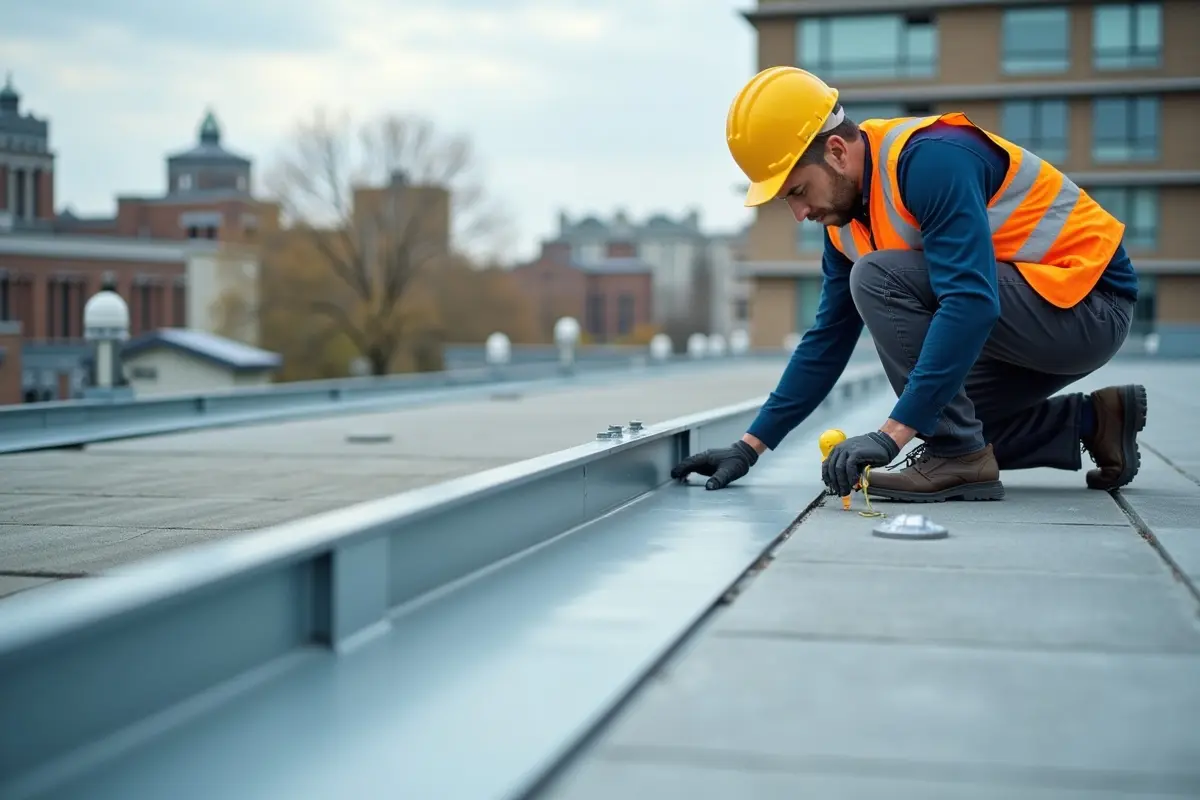
When it comes to ensuring the safety and security of a business building, many people underestimate the importance of regular roof inspections. A well-maintained roof not only protects against the elements but also significantly contributes to the overall integrity of the structure. By understanding the significance of roof inspections, business owners can not only prevent costly damage but also enhance the longevity of their property.
Regular roof inspections are vital for businesses, providing both safety and peace of mind.
Contents
- 1 Why Roof Inspections Matter
- 2 What to Look for in Roof Inspections
- 3 Seasonal Inspections
- 4 Choosing Professional Roof Inspections
- 5 The Financial Benefits of Roof Inspections
- 6 The Role of Roof Inspections in Compliance
- 7 Creating an Inspection Schedule
- 8 Taking Action on Inspection Findings
- 9 Having the Right Roof Inspections for Businesses
Why Roof Inspections Matter
Have you ever thought about what might happen without regular roof inspections? Businesses can be at great risk if their roofs are neglected. A damaged roof can lead to leaks that may ruin ceilings, walls, and expensive equipment.
Furthermore, neglecting roof maintenance can lead to long-term damage requiring extensive repairs. Sudden emergencies resulting from roof failures can disrupt operations and even put employees at risk.
Regular inspections can help spot these issues before they escalate, saving businesses time and money in the long run.
What to Look for in Roof Inspections
During a roof inspection, it is essential to check various components. Taking a closer look at these areas can help identify potential issues early on:
Flashing and Seals
Flashing and seals are crucial elements of any roof system. They prevent water from seeping into your business building.
During an inspection, professionals should check for missing, damaged, or loose flashing materials. Checking the seals around vents, pipes, and chimneys is also essential. If seals are compromised, water can easily enter.
Shingles and Tiles
For businesses with shingled or tiled roofs, it is crucial to examine each piece closely. Look for any that are cracked, missing, or curled.
Such issues can expose underlying materials to water damage. Regular inspections can help maintain the roof’s protective properties and extend its lifespan.
Drainage Systems
Without proper drainage, it is easy for standing water to accumulate on the roof. Inspecting gutters, downspouts, and scuppers should be part of regular maintenance.
Ensure they are not clogged with debris, which can lead to water pooling. Standing water can cause leaks and weight issues that could damage the roof structure.
Ventilation and Airflow
Proper ventilation prevents heat and moisture from building up inside the roofing system. Inspectors should check vents, fans, and airflow pathways.
Poor ventilation can lead to mold growth, increased cooling costs, and shortened roof life. Ensuring proper airflow helps maintain a balanced indoor environment.
Seasonal Inspections
Seasonal changes can have a significant impact on roofs. That’s why seasonal inspections are crucial for any type of business.
Different weather conditions can cause different types of wear and tear on roofs. For instance, winter snow can place excess weight on a roof, while summer storms can expose any weaknesses.
During fall inspections, it’s important to check for any leaves or debris accumulating on the roof and in gutters. In the spring, melting snow and heavy rains can create leaks if not addressed promptly. Regularly inspecting your roof will help business owners proactively manage seasonal threats.
Choosing Professional Roof Inspections
While some business owners may consider performing inspections themselves, hiring a professional is always a better choice. Professionals have the necessary tools and experience to identify issues that a layperson might miss.
When looking for expert help, ensure to seek out commercial roofing services with excellent reputations. They can also offer insights into the best materials for replacements or repairs.
Furthermore, professionals are trained to recognize potential problems before they become serious issues. Their trained eyes can spot signs of wear and tear early on, enabling businesses to address these problems before they escalate into larger, costlier repairs.
The Financial Benefits of Roof Inspections
Investing time and money into regular roof inspections may seem unnecessary, but it is far cheaper than waiting for significant issues to arise. Business owners can save on repair costs when they handle minor issues before they turn major. Regular inspections can help business owners plan for maintenance costs and avoid sudden expenses due to repairs.
The benefits of regular inspections go beyond financial savings. Well-maintained roofs can lead to lower energy costs.
Proper roof systems reflect sunlight better and keep indoor temperatures stable, contributing to lower heating and cooling costs. This not only benefits the planet but also helps business owners achieve their sustainability goals.
The Role of Roof Inspections in Compliance
Many businesses must comply with local building codes and safety regulations. Regular roof inspections can help ensure that a business’s roofing system meets these requirements. Failure to comply can lead not only to fines but also to legal actions that could threaten business operations.
Professional roofing services will often have a keen understanding of local regulations and can advise on necessary upgrades to meet compliance. Keeping a roof in line with regulations is not only critical to a business’s safety but also protects its reputation.
Creating an Inspection Schedule
Establishing a routine inspection schedule is vital for business owners. Depending on the roof type and location, most experts recommend inspections at least twice a year.
A spring and fall inspection is ideal for most climates. However, if a business is located in an area prone to storms or heavy snowfall, a more frequent inspection may be warranted.
The best approach is to work closely with a reliable commercial roofing service that can guide you in creating an inspection schedule tailored to your business’s unique needs.
Taking Action on Inspection Findings
During a roof inspection, roofers will provide comprehensive findings regarding the roof’s health. Addressing these findings promptly can prevent small issues from evolving into significant challenges. Regular maintenance, including cleaning and minor repairs, will keep the roof’s integrity intact.
Business owners should maintain open lines of communication with their roofing contractors to ensure they understand the urgency of any necessary repairs. This partnership is essential in maintaining a business’s roof and ensuring safety.
Having the Right Roof Inspections for Businesses
Roof inspections are not just a routine task; they are vital for maintaining long-term safety and security for businesses. By investing in regular roof inspections, companies can protect their buildings, employees, and finances. Neglecting roof maintenance only leads to costly consequences.
Regular inspections keep roofs in prime condition, extending their lifespan while also ensuring compliance with regulations. Don’t wait for a problem to arise-start prioritizing roof inspections today!
You can find more useful and interesting articles on our website. Be sure to visit us and read more.