Vacation homes have rapidly evolved from being periodic holiday retreats to vital aspects of contemporary living. In a matter of a few years, these residences have become anchors for remote work, new investment strategies, and improved personal well-being.
For many buyers, finding the perfect property, such as among the Ephraim homes for sale, represents not just a lifestyle upgrade but a practical transformation that aligns with modern needs and priorities.
As the concept of home continues to evolve, vacation properties are assuming new roles in people’s lives. They serve as flexible retreats for work and relaxation, financial tools through rental income or co-ownership, and even as platforms for sustainable living. Understanding how vacation homes are influencing everyday decisions sheds light on larger trends reshaping communities across the country.
Contents
- 1 Remote Work and Vacation Homes
- 2 Fractional Ownership: Making Luxury Accessible
- 3 Economic Impact of Vacation Rentals
- 4 Technological Advancements in Vacation Home Management
- 5 Sustainable and Eco-Friendly Vacation Homes
- 6 Design and Architecture in Modern Vacation Homes
- 7 Regulatory Considerations for Vacation Rentals
- 8 Conclusion
Remote Work and Vacation Homes
The rise of remote and hybrid work has increased demand for vacation homes that blend work and leisure, especially in scenic locations like Door County, Lake Tahoe, and the Finger Lakes. Buyers now prefer year-round residences with modern amenities, including reliable internet and dedicated offices.
These homes boost local economies by turning seasonal areas into lively communities, enriching culture and supporting local businesses. This trend shows a shift in workspaces, as remote workers seek functional homes that promote productivity and enjoy nature.
Fractional Ownership: Making Luxury Accessible
High-end vacation properties, once limited to a few, are being made more accessible through fractional ownership. This model lets groups buy shares in luxury homes, lowering entry costs and offering scheduled access.
Companies like Pacaso manage property details, making luxury homes more reachable without sole ownership burdens. Fractional ownership democratizes luxury, diversifies investments, and supports resilient demand during economic downturns.
Economic Impact of Vacation Rentals
Whether owned outright or rented out to guests, vacation homes inject significant value into local economies. By providing short-term accommodation, homeowners create opportunities for job growth in property management, hospitality, cleaning, and maintenance.
The ripple effect extends to local restaurants, stores, and attractions, greatly benefiting communities that would otherwise rely on seasonal tourism. Local governments also benefit directly from taxes and fees collected from vacation rentals, which helps fund vital infrastructure and services.
Homeowners can often generate enough rental income to offset their mortgage and maintenance costs, making second homeownership not just more appealing, but also more financially sustainable for a broader range of buyers.
Technological Advancements in Vacation Home Management
Smart technology is quickly becoming the norm in vacation properties, enhancing both owner oversight and guest satisfaction. Innovations such as smart locks, climate controls, and security cameras make it easier to manage properties remotely.
Property owners can automate check-ins, monitor energy usage, and respond swiftly to maintenance requests, often ensuring issues are resolved before they impact guests. Meanwhile, AI-powered platforms offer personalized booking experiences, encouraging repeat visits and longer stays.
Technology isn’t just about convenience—it’s also a draw for today’s tech-savvy renters, who expect intuitive controls and seamless connectivity as standards in their seasonal accommodations.
Sustainable and Eco-Friendly Vacation Homes
As environmental awareness grows, buyers and renters prioritize eco-friendly features in vacation homes, such as solar panels, efficient appliances, low-flow plumbing, and sustainable materials. Some communities incentivize green renovations to support sustainable tourism.
These features cater to travelers wanting to reduce their environmental impact, giving sustainable vacation properties a competitive edge. Green upgrades also lower utility costs for owners year-round.
Design and Architecture in Modern Vacation Homes
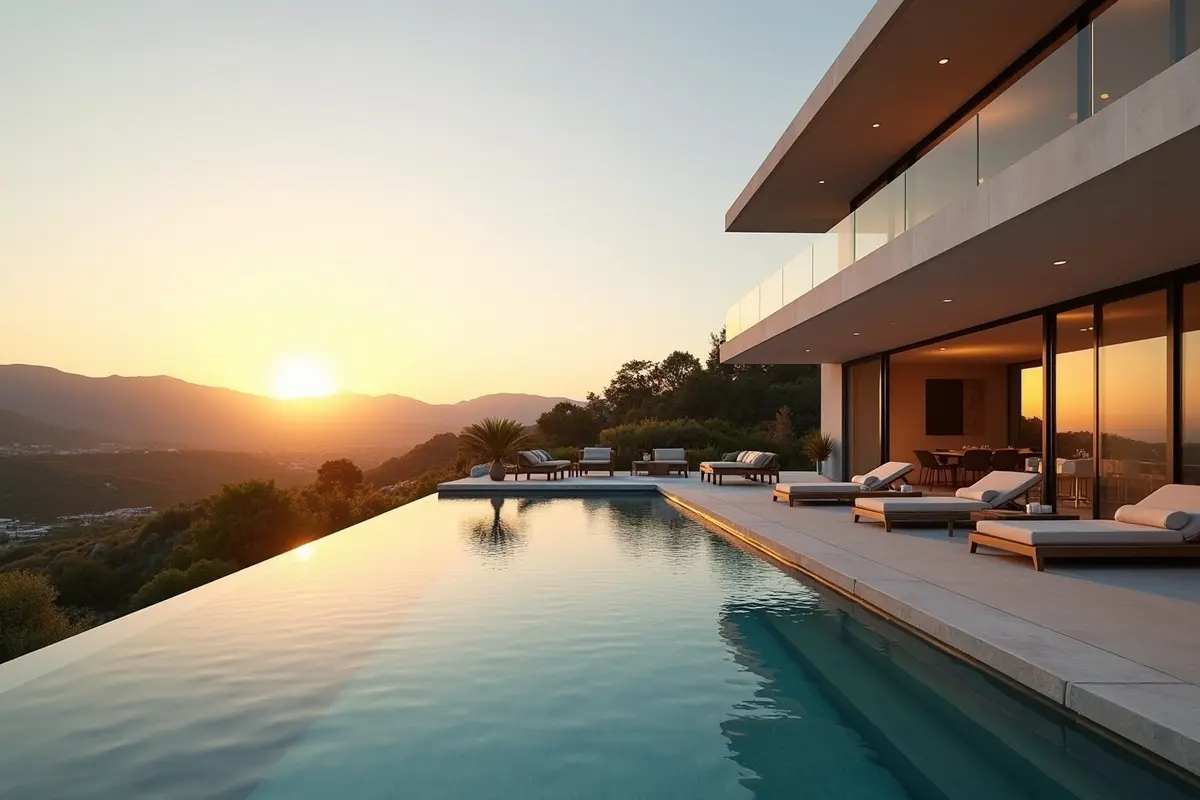
Today’s vacation homes are distinguished by their thoughtful design and innovative architecture, setting them apart from traditional hotels and older cottages. Features such as open floor plans, large windows that provide breathtaking views, and the use of natural materials create a connection to the surrounding landscape, fostering tranquility and a sense of escape.
Each home often features unique, site-specific designs that enhance the visitor experience, blending comfort with a genuine sense of place. Personalization plays a key role, with amenities such as spa bathrooms, chef-grade kitchens, and outdoor living spaces becoming increasingly common. This focus on comfort, style, and harmony with nature has elevated expectations for luxury getaways.
Regulatory Considerations for Vacation Rentals
The proliferation of short-term rental properties has drawn increased attention from regulators in towns and cities worldwide. Concerns about housing affordability, neighborhood character, and infrastructure strain have led some municipalities to impose occupancy restrictions, licensing requirements, and even outright bans on certain rental types.
Prospective buyers and investors must thoroughly research local ordinances and stay informed about any changes in rules to avoid costly violations or investment setbacks.
Compliance is essential not only for maintaining good community relations but also for safeguarding the long-term value and earning potential of vacation rental assets.
Conclusion
Vacation homes today are dynamic, multi-faceted assets that reflect a new set of priorities for buyers, renters, and investors. By enabling remote work, creating investment and rental opportunities, supporting local economies, and promoting sustainable and innovative living, these properties are at the forefront of modern lifestyle evolution.
As trends continue to shift, vacation homes will play an increasingly pivotal role in shaping how we live, work, and enjoy leisure in a fast-changing world.