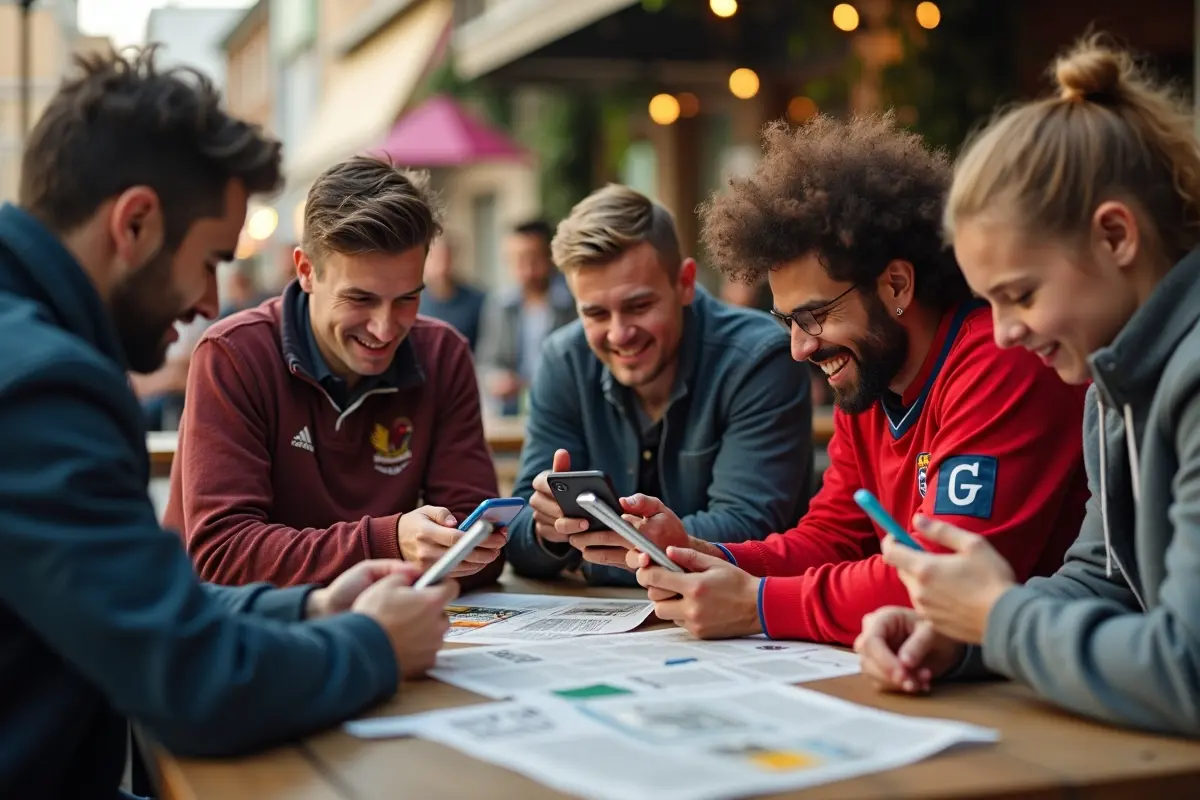
Sport has always been bigger than the final score. It gives people a shared language. A football match can fill a pub, split a family into friendly sides, or give a city something to talk about for a full week. Fans remember where they were when a big goal went in. They remember the noise, the nerves, and the people around them.
That social pull is one reason sports betting has become part of digital sports culture. It is not only about placing a bet before kick-off anymore. On platforms like Betway, fans follow odds, compare predictions, and react as the game changes. Betting now sits beside live scores, group chats, sports clips, and post-match talk.
Contents
Sport Is Now a Daily Conversation
There was a time when most fans built their week around match day. They watched the game, read the report, and moved on. That has changed.
Now the match stretches across several days. Before the game, fans look at injury updates, team news, forums and odds. During the game, they follow live stats and changing prices. After the final whistle, they debate what went right, what went wrong, and what it means for the next fixture.
The build-up starts earlier
Pre-match talk used to be simple. Who is starting? Who is injured and who should win?
Now it goes deeper. Fans check recent form, records, numbers, and tactical matchups. This gives fans another way to read the game before it starts.
Live Odds Changed the Match-Day Feeling
Live betting made sports feel more active. The game is no longer a single event with one clear start and end. It keeps moving.
A red card changes the mood. So does an early goal. So does a missed penalty. Odds move with those moments, and fans notice. Even people who do not bet heavily may still watch those changes because they show how the game is shifting in real time.
The second screen is normal now
Phones are part of the match. Fans check lineups while watching TV. They refresh live stats in the stadium. They send messages after a bad miss. And they look at odds after a goal.
This second-screen habit has changed the pace of sports culture. People do not wait for half-time analysis. They react right away.
Predictions Became Part of Fan Talk
Sports fans have always made predictions. They argue about scores, winners, top scorers, and league tables. Betting did not create that habit. It gave it a clearer format.
Odds turn opinions into numbers. A fan may think a team is underrated. Another may see the same match and think the market has it right. That creates discussion. It also makes people explain their views better.
Instead of saying, “They’ll win,” fans now talk about why. Maybe the team plays better at home. Maybe the opponent struggles against pressing. Or maybe the goalkeeper is out. These details make the conversation stronger.
Big Events Push Betting Into the Mainstream
Major sports events show how normal this has become. Big tournaments, finals, and derby matches now come with prediction threads, odds talk, and social media debates.
Betting has moved into the wider sports routine, especially around major events.
It is not only about the result
Modern fans care about more than who wins. They follow corners, cards, player stats, and scoring windows. Some of this comes from fantasy sports. Some comes from betting. And some comes from the way sports media now breaks games into smaller moments.
This changes how people watch. A fan may stay focused even when their team is not playing well because there are still smaller stories inside the match.
Social Media Made Every Reaction Public
Before social media, fan talk happened in homes, pubs, offices, and stadium seats. Now it happens everywhere at once.
A goal can start thousands of posts in seconds. A wrong prediction becomes a joke. A smart call gets shared. Odds screenshots, lineup guesses, and live reactions all become part of the public match experience.
This can make sport more fun. It can also make it louder and more emotional. Fans should keep some distance from the noise. Not every trend is smart. Not every prediction is useful. And not every bet needs to be placed.
The Culture Keeps Moving
Betting became part of digital sports culture because sport itself became more digital. Fans want updates before the game, live information during it, and debate after it. Odds and predictions fit into that cycle.
The core feeling has not changed. Fans still want drama, meaning, and a reason to care. What changed is the way they stay connected. Match day used to last a few hours. Now, for many fans, it never fully stops.