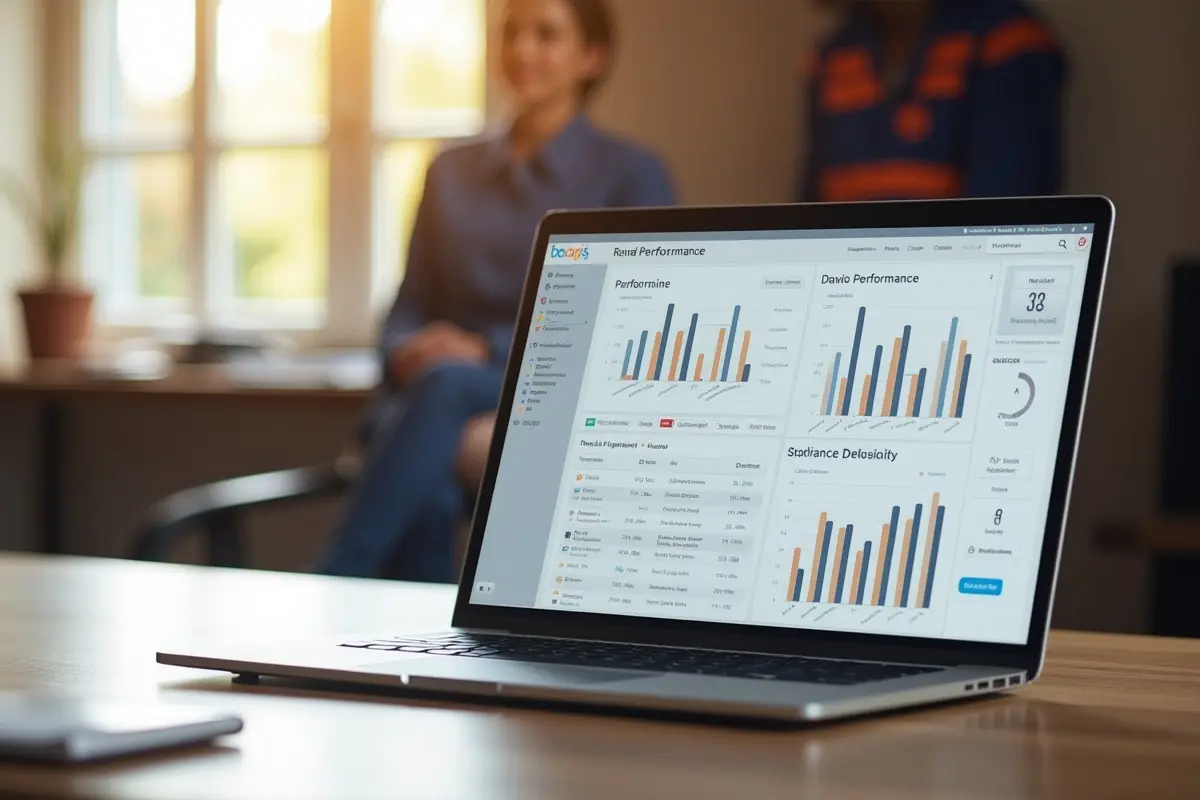
At its core, a daily performance report is a concise, structured summary of key activities, achievements, challenges, and plans for a specific workday. For home service businesses, this report isn’t just about tracking tasks; it’s a vital tool for strategic oversight and data-driven decision-making. It provides a snapshot of operational efficiency, customer engagement, and marketing effectiveness, allowing us to identify patterns and respond proactively.
We often think of performance tracking as a modern business practice, but the concept is ancient. Did you know that ancient Egyptians kept detailed daily records on stone tablets to track labor progress while building the pyramids? This historical tidbit underscores a timeless truth: consistent, daily record-keeping is fundamental to managing complex projects and ensuring accountability.
Our “stone tablets” are sophisticated software and templates, but the purpose remains the same: to document progress, identify roadblocks, and maintain momentum. For home service businesses looking to improve their digital performance, understanding how to leverage these Home service digital performance reports is a big advantage.
Contents
How Daily Reports Fuel Home Service Digital Growth
Daily performance reports are more than just administrative tasks; they are powerful catalysts for growth in the home service sector. We leverage them in several key ways:
- Enhancing Accountability: When every team member, from technicians to marketing specialists, contributes to a daily report, it fosters a culture of ownership. Everyone knows their contributions are visible and valued, driving them to meet daily objectives.
- Promoting Transparency: These reports create a clear, shared understanding of what was accomplished, what’s in progress, and what challenges arose. This transparency builds trust within the team and with leadership, ensuring everyone is on the same page regarding project status and overall business health.
- Enabling Real-time Adjustments: By reviewing daily data, we can quickly spot emerging issues—a drop in lead generation, a delay in service appointments, or an unexpected marketing campaign performance. This allows for immediate course correction, preventing minor setbacks from becoming major problems.
- Aligning Goals: Daily reports ensure that individual and team efforts are consistently aligned with broader strategic objectives. For instance, if our goal is to increase online booking conversions, daily reports can track the number of website visits, call-to-action clicks, and actual bookings, helping us gauge progress toward that specific target.
- Improving Stakeholder Communication: Whether it’s updating investors, informing department heads, or sharing progress with marketing partners, daily reports provide concrete, up-to-date information. This streamlined communication saves time and ensures that all stakeholders are well-informed, fostering confidence and support for our digital growth initiatives.
Essential Components of a High-Impact Daily Report
An effective daily performance report isn’t just a list of activities; it’s a strategic document that provides actionable insights. For home service businesses, we’ve identified several essential components that transform a mundane log into a powerful tool for digital growth:
LIST of Essential Report Fields:
- Date and Reporting Period: Clearly states when the report was generated and the day it covers.
- Reporter/Team Name: Identifies who is submitting the report.
- Overall Status (RAG Status): A quick visual indicator (Red, Amber, Green) for the day’s performance relative to goals.
- Completed Tasks/Achievements:List specific tasks finished, customer calls handled, service appointments completed, or marketing assets published.
- Quantify results where possible (e.g., “Completed 5 HVAC maintenance checks,” “Published 2 blog posts,” “Responded to 15 online inquiries”).
- For digital marketing, this might include “Launched Facebook Ad Campaign A,” “Optimized 3 landing pages for SEO,” or “Generated 10 new leads from Google Local Services Ads.”
- Ongoing Projects/Tasks in Progress:Briefly describe current work and its status.
- Include progress percentages or specific milestones achieved (e.g., “Website redesign 60% complete,” “Drafting new plumbing service page content”).
- Challenges Encountered/Blockers:Detail any obstacles that impeded progress (e.g., “Software glitch delaying report generation,” “Difficulty reaching a specific client,” “Unexpected technical issue on website”).
- Crucially, include the Solutions Proposed or Actions Taken to address these challenges. This demonstrates proactivity and problem-solving.
- Key Metrics/KPIs (Daily Snapshot):For home service digital growth, these are paramount. We focus on metrics that directly impact our online presence and lead generation.
- Qualified Leads Generated: The number of new potential customers identified through digital channels that meet our qualification criteria.
- Website Traffic: Unique visitors, page views, and traffic sources.
- Conversion Rates: The percentage of website visitors who complete a desired action (e.g., form submission, call, online booking).
- Social Media Engagement: Likes, shares, comments on key posts.
- Ad Spend & Performance: Daily budget used and key results (e.g., cost per click, cost per lead) for active campaigns.
- Call Volume/Online Bookings: Direct results from digital efforts.
- Time Allocation: A breakdown of how time was spent across different projects or tasks, helping us understand efficiency and resource distribution.
- Next-Day Objectives/Plans:Outline 2-3 key priorities for the following workday. This ensures continuity and proactive planning.
- For example, “Follow up on 5 hot leads,” “Publish new blog post,” “Analyze SEO performance of new service page.”
- Questions/Requests:Any specific questions for a manager or requests for resources/support.
By consistently including these elements, our daily reports provide a comprehensive yet digestible overview, enabling us to track progress, identify trends, and make informed decisions that drive our home service business forward.
Leveraging Technology and Templates for Team Alignment
In the modern home service business, relying solely on handwritten notes or fragmented emails for daily reporting is a recipe for inefficiency. This is where technology and well-designed templates become indispensable. They don’t just streamline the process; they transform it into a powerful engine for team alignment and operational excellence.
Our research shows that effective reporting often starts with accessible tools. For instance, there are numerous free daily report templates available, with providers offering options in Google Docs and Google Sheets to summarize daily work, track tasks, and monitor progress. The sheer volume of resources, like the reported 89 templates with 18 free options, highlights the demand for structured reporting. These templates serve as a consistent framework, ensuring that all team members capture the necessary information in a uniform manner.
Comparing Manual vs. Automated Reporting
| Feature / Aspect | Manual Reporting (Paper, Ad-hoc Email) | Automated/Template-Based (Digital Forms, PM Software) |
| Consistency | Low: Varied formats and frequent missing info. | High: Standardized fields and guided input. |
| Time Efficiency | Low: High effort spent on creation/compilation. | High: Quick entry and auto-aggregation. |
| Data Accuracy | Prone to human error and omissions. | Improved by structured input and validation. |
| Accessibility | Limited (physical copies or buried emails). | High (cloud-based, accessible anywhere). |
| Analysis | Difficult and time-consuming. | Easy (dashboards and trend identification). |
| Collaboration | Challenging; requires manual sharing. | Real-time shared access and comments. |
| Scalability | Poor; complexity grows with team size. | Excellent; handles large, multi-project teams. |
| Integration | None. | High (CRM, Accounting, PM software). |
These tools offer features like search, sort, filter, and activity logs, providing real-time updates and quick data summarization. Integrating such a tool with time-tracking software, like Clockify, further enhances our ability to monitor project efficiency and budget adherence. For businesses seeking a comprehensive productivity solution, a bundle like the CAKE.com Bundle can provide integrated platforms for project management, communication, and time tracking.
For home service businesses, specific types of daily performance reports are particularly relevant:
- Sales Reports: Tracking daily leads generated, appointments booked, proposals sent, and sales closed. This helps our sales team stay on target and allows us to quickly identify successful campaigns or areas needing improvement.
- Project Management Reports: For larger installations or multi-day jobs, these reports detail tasks completed, resources used, progress against schedule, and any issues encountered. This is crucial for managing timelines and client expectations.
- Construction Logs: For home renovation or construction projects, daily logs are essential for tracking labor, materials, equipment, weather conditions, and safety observations. Software can make these detailed reports easy to complete from the field.
- Field Service Reports: Technicians can use mobile templates to report on service calls, including diagnosis, repairs made, parts used, time spent, and customer feedback. This ensures accurate billing and service history.
- Marketing Performance Reports: A daily snapshot of website traffic, ad campaign performance, social media engagement, and lead generation metrics. This allows our marketing team to make agile adjustments to campaigns.
By embracing technology and standardized templates, we empower our teams to report efficiently, collaborate effectively, and maintain a clear, unified vision of daily progress towards our digital growth objectives.
Best Practices and Common Pitfalls in Performance Tracking
Creating effective daily performance reports is an art and a science. It requires discipline, clarity, and a focus on impact. We’ve identified several best practices that lift these reports from mere administrative tasks to strategic communication tools, alongside common pitfalls to avoid.
Best Practices for High-Impact Daily Reports:
- Be Concise and Focused: Your report should be scannable. Use bullet points, short paragraphs, and clear headings. Managers are busy; they need to grasp the key takeaways quickly. Focus on significant achievements and critical updates.
- Quantify Results Whenever Possible: Numbers speak louder than words. Instead of “Worked on SEO,” say “Optimized 3 landing pages, resulting in a 15% increase in organic traffic to those pages.” For home service, this could be “Completed 5 service calls, with 4 resulting in upsells for annual maintenance plans.”
- Apply the “So What?” Test: For every item you include, ask yourself: “So what does this mean for the business or the project?” If the answer isn’t clear, rephrase or remove it. This ensures your report provides value and insight, not just information.
- Maintain a Professional and Objective Tone: Avoid emotional language or blame. Focus on facts, actions, and outcomes. Even when discussing challenges, present them objectively.
- Highlight Progress on Ongoing Projects: Use percentages or specific milestones to show advancement. “HVAC system installation for Smith residence is 75% complete, awaiting final inspection” is more informative than “Working on Smith project.”
- Address Challenges with Solutions: Don’t just list problems. For every challenge, briefly explain what action you’ve taken or propose a solution. This demonstrates proactivity. For example, “Experienced delay receiving parts for water heater repair; contacted alternative supplier and confirmed delivery for tomorrow morning.”
- Outline Clear Next-Day Objectives: This provides continuity and shows forward planning. It demonstrates that you’re thinking ahead and managing your workload effectively.
- Proofread Diligently: Typos and grammatical errors detract from your professionalism and can obscure your message. Always review your report before submitting it.
- Be Consistent: Use a standardized format and submit your report at the same time each day. This builds predictability and makes it easier for recipients to review the information.
Common Pitfalls to Avoid:
- Information Overload: Dumping every single detail of your day into the report is counterproductive. It buries important information and discourages managers from reading it thoroughly. Focus on what’s critical for decision-making and progress tracking.
- Vague Updates: Generic statements like “Worked on marketing” or “Dealt with customer issues” offer no real insight. They make it impossible to gauge progress or identify specific areas of success or concern. Be specific about tasks, outcomes, and impact.
- Negativity Bias: While it’s important to report challenges, focusing solely on problems without mentioning achievements or proposed solutions can create a pessimistic view. Balance challenges with wins and proactive steps.
- Lack of Forward Planning (Reactive Reporting): A report that only looks backward misses a crucial opportunity. Without outlining next steps or objectives, the report appears reactive rather than strategic, failing to demonstrate foresight and initiative.
- Inconsistency in Format or Submission: Irregular reporting times or constantly changing formats make it difficult for managers to track progress and compare data over time. Stick to your agreed-upon template and schedule.
By adhering to these best practices and consciously avoiding common mistakes, we can ensure our daily performance reports are not just informative, but truly impactful tools for managing our home service operations and driving digital growth.
Frequently Asked Questions about Home Service Digital Growth
We often encounter questions about the nuances of daily reporting, especially concerning its application in dynamic environments like home service digital growth. Here, we address some of the most common inquiries.
What is the difference between a daily report and a daily progress report?
While the terms are often used interchangeably, there’s a subtle but important distinction in emphasis.
- Daily Report: This is a broader term encompassing a summary of the day’s activities, achievements, challenges, and plans. It might include operational details, administrative tasks, and general updates. Its primary purpose is to provide a comprehensive overview of a workday.
- Daily Progress Report: This type of report specifically focuses on the advancement of a particular project or set of tasks against a defined plan or schedule. Its core function is variance analysis—highlighting what was completed, what’s in progress, and critically, how current progress compares to the original plan. It emphasizes:
- Work Completed: Specific milestones or tasks finished within the project scope.
- Blockers/Issues: Obstacles directly impacting the project’s timeline or resources.
- Schedule Alignment: Whether the project is on track, ahead, or behind schedule.
- Budget Tracking: How daily expenditures align with the project’s financial plan.
For home service businesses, a daily progress report is invaluable for managing larger projects like a major HVAC installation, a comprehensive plumbing system overhaul, or a long-term digital marketing campaign. It ensures that project managers and stakeholders are constantly aware of the project’s health and can intervene if it veers off course.
How can daily reports be used for personal productivity and home service digital growth?
Daily reports are not just for management; they are powerful tools for individual team members to boost their own productivity, which in turn fuels the collective digital growth of the business.
- Time Management: By documenting how time was spent, individuals can gain a clearer understanding of their work patterns. This self-reflection helps identify time sinks, prioritize tasks more effectively, and allocate time to high-impact activities, such as lead follow-ups or content creation.
- Self-Reflection and Learning: Reviewing one’s own daily report allows for critical self-assessment. What went well? What could have been done better? This continuous learning loop is crucial for skill development and efficiency gains.
- Trend Identification: Over time, personal daily reports can reveal individual performance trends. Perhaps certain types of tasks consistently take longer than expected, or a particular digital marketing strategy yields better results for one individual over another. Identifying these trends allows for targeted training or process improvements.
- Task Prioritization: The “Next-Day Objectives” section of a daily report forces individuals to prioritize and plan their workload proactively. This reduces reactive work and ensures focus on key objectives that contribute to digital growth, like optimizing ad campaigns or engaging with online customer reviews.
- Achievement Visualization: Seeing a list of completed tasks and achieved metrics at the end of each day provides a sense of accomplishment and motivation. This positive reinforcement encourages continued high performance, directly contributing to the business’s overall success.
Personal Productivity as a Catalyst for Home Service Digital Growth
In a home service business, every team member’s productivity directly impacts our digital footprint and growth trajectory. A highly productive technician can complete more jobs, leading to more positive online reviews. A focused marketing specialist can optimize campaigns more effectively, generating more qualified leads. Daily reports empower individuals to:
- Improve Individual Accountability: Taking responsibility for one’s daily output and reporting it fosters a strong work ethic.
- Drive Skill Development: Consistent reporting helps individuals identify areas for improvement and seek necessary training or resources.
- Boost Efficiency Gains: Better time management and task prioritization at the individual level translate into overall operational efficiency for the business.
- Strengthen Team Contribution: When each person maximizes their daily output, the collective effort towards digital growth—be it SEO, social media, or lead conversion—becomes significantly more impactful.
- Track Milestone Achievement: Individuals can track their personal contributions to larger digital growth milestones, such as reaching a certain number of online bookings or improving website conversion rates.
Fostering a culture where daily reporting is embraced for both organizational oversight and personal growth creates a powerful synergy that propels home service businesses toward sustainable digital success.
Conclusion
In the competitive landscape of home service businesses, strategic digital marketing is non-negotiable. At the heart of this strategy lies the often-underestimated power of the daily performance report. We’ve explored how these reports serve as much more than simple checklists; they are critical tools for fostering accountability, ensuring transparency, enabling real-time adjustments, and aligning every team member’s efforts with our overarching digital growth objectives.
From the essential components that make a report truly impactful—like quantifiable achievements and forward-looking plans—to leveraging modern technology and templates for seamless team alignment, the path to operational excellence is paved with data. By adopting best practices and steering clear of common pitfalls like information overload or vague updates, we transform daily reporting into a strategic asset.
A robust daily reporting system cultivates a data-driven culture, empowering both individuals and the collective to identify trends, optimize processes, and consistently push towards higher performance. This continuous cycle of tracking, analyzing, and adapting is the bedrock of strategic scaling and long-term success in the dynamic world of home service digital growth.